Is My Tattoo Healing Properly? Signs of a Healthy Healing Tattoo
Introduction: Understanding the Tattoo Healing Process
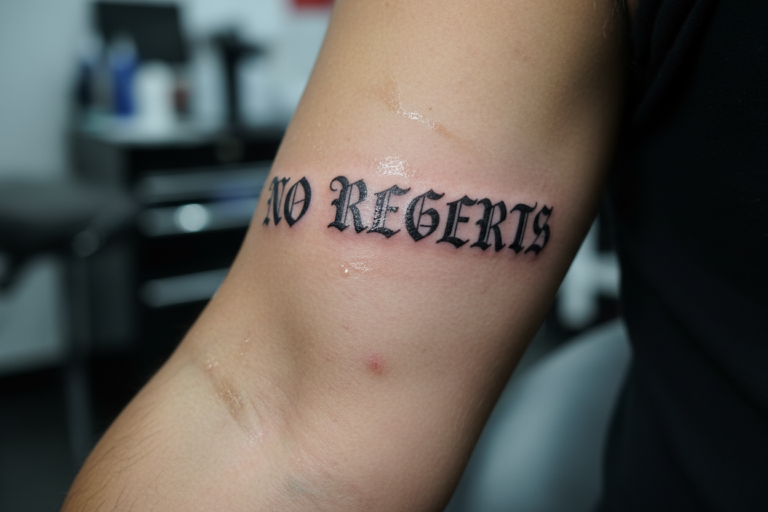
Getting a tattoo is an exciting experience, but many individuals may find themselves questioning the healing process that follows. Understanding tattoo healing is essential for anyone who has just undergone this transformation. Initially, right after the tattoo is applied, the skin undergoes various changes as it reacts to the trauma inflicted during the tattooing process. It is not uncommon for new tattoos to look red, swollen, or even slightly raised, leaving individuals feeling concerned about the state of their new body art.
Immediately post-tattooing, the body initiates a repair process to heal the skin. This includes inflammation, wherein white blood cells rush to the area to manage potential infections and begin the healing of damaged tissues. This natural reaction may present as increased sensitivity, tenderness, and noticeable swelling, which can often be alarming for tattoo recipients. However, these symptoms usually subside as part of the normal tattoo healing process.
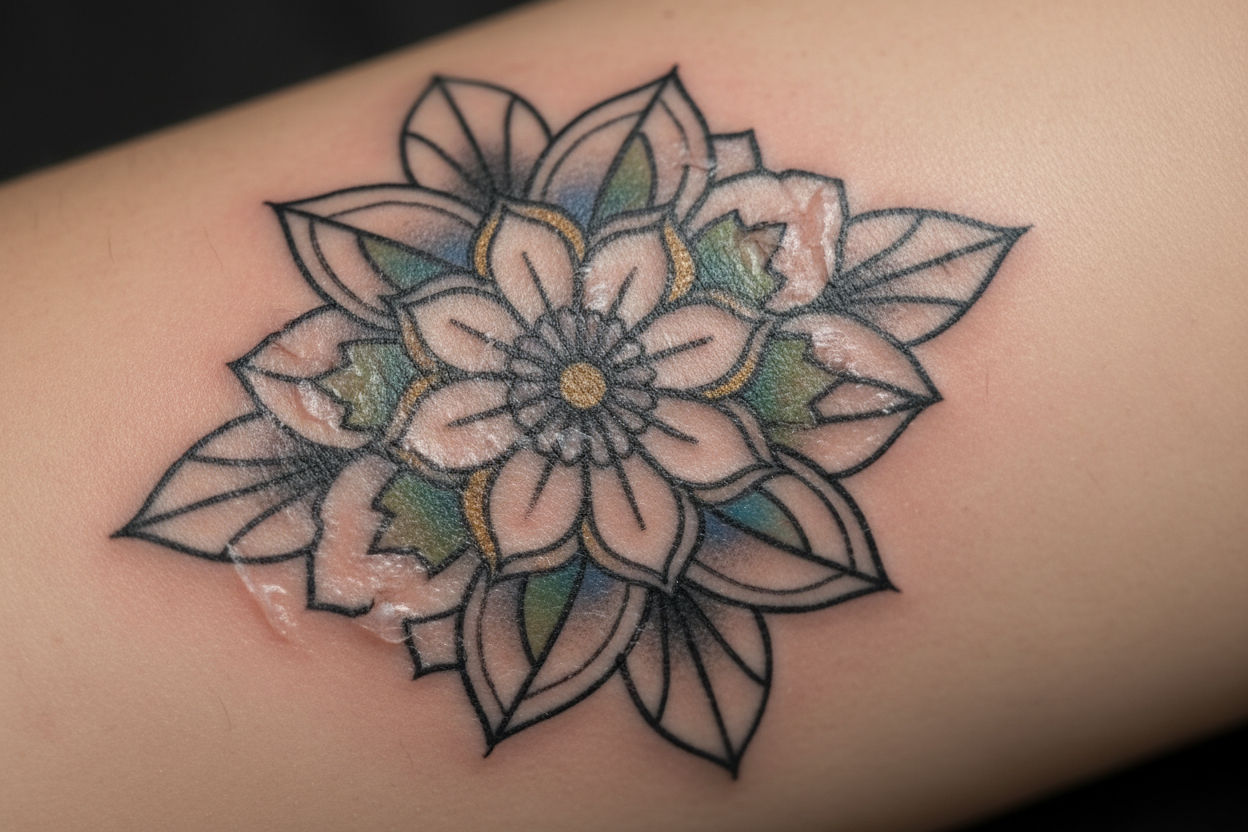
As the healing continues, individuals may notice several stages of change in their tattoos. Scabbing, peeling, and dulling of colors are typically seen as the skin regenerates and adjusts to its new design. Despite appearances that may give rise to anxiety, it is essential to recognize that these symptoms are part of a typical healing process and most tattoos will go through such phases before settling into their final appearance.
It is important for individuals to follow aftercare instructions diligently to support the healing of their tattoos and avoid complications. This knowledge helps to ease concerns about the state of a tattoo and assures individuals that changes they observe are frequently normal. By the end of this guide, readers will gain insight into what constitutes a healthy healing tattoo and the signs to watch for throughout the process.
What Happens to the Skin After Getting Tattooed?
When an individual receives a tattoo, the skin undergoes a complex biological reaction. The skin is comprised of multiple layers, primarily the epidermis, dermis, and subcutaneous tissue. During the tattooing process, the needle penetrates the epidermis, delivering ink into the dermis, where it will remain permanently. This disruption in the skin triggers a healing response that is typically categorized into three main stages: inflammation, proliferation, and maturation.
The first stage, inflammation, starts immediately after the tattoo is applied. This phase generally lasts from a few days to a week. In this period, the body responds to the trauma by increasing blood flow to the area, which may result in swelling, redness, and tenderness. These symptoms are normal; they indicate that the body is beginning the healing process. The goal during this phase is to stave off infection and initiate tissue regeneration.
Following inflammation, the proliferation phase begins and can last for several weeks. During this stage, the body works on repairing the skin. New skin cells are generated, and the body’s natural healing processes start to close the wound created by the tattoo needle. At this point, scabbing may occur as the skin begins to regenerate, and it is crucial to keep the area clean and moisturized to promote optimal tattoo healing.
Lastly, the maturation phase may extend for several months. During this time, the skin continues to strengthen and undergo further changes. The ink settles into the dermal layer, and the color may appear to soften as the skin heals completely. It is important to maintain proper aftercare throughout this healing process to ensure that the tattoo heals well without complications.
Early Healing Signs That Are Normal
When you receive a new tattoo, it undergoes a healing process that is crucial for its overall appearance and longevity. During the initial days after getting inked, numerous early signs may indicate that your tattoo is healing properly. One of the most common reactions is swelling, which is due to your body responding to the tattooing process. It is a natural phenomenon, aiming to protect the affected area.
Typically, this swelling will peak within the first 24 to 48 hours and should begin to subside as the tattoo starts healing. Along with swelling, redness is another frequent early sign. This is a result of increased blood flow to the area, which aids in the healing process. Redness might vary in intensity, and while it can be alarming, it is expected in the initial stages following the tattoo procedure.
Additionally, a certain level of discomfort is common. It could manifest as a sensation similar to sunburn or minor aching as your skin starts to recover from the trauma of the needle. This discomfort typically lessens over time, and its duration can vary depending on the tattoo’s size and detail.
It is essential to monitor these symptoms closely. If the swelling and redness persist beyond a few days or are accompanied by severe pain, it might indicate an infection rather than normal tattoo healing. However, in the majority of cases, mild swelling, redness, and discomfort are standard at this stage. Remember that each individual’s healing process is unique, and what you experience may differ. Proper aftercare, including moisturization and avoiding excessive exposure to sunlight, can significantly assist in ensuring a healthy healing tattoo.
Signs Your Tattoo Is Healing Properly
When it comes to tattoo healing, it is essential to monitor the signs that indicate a healthy recovery. The early stages of healing can be accompanied by discomfort and changes in the appearance of the tattoo, but certain indicators suggest that everything is proceeding as it should. One positive sign is the gradual fading of redness around the tattooed area. Initially, a fresh tattoo may appear bright red, but as it heals, this redness will diminish significantly, signaling that the skin is beginning to recover.
Another reassuring sign of proper tattoo healing is the formation of a protective scab. This scab serves as a natural barrier, safeguarding the damaged skin beneath it. The presence of a scab is normal and should not be removed prematurely, as it plays a crucial role in the healing process. As the scab forms and subsequently falls off, it indicates that the skin is regenerating, and new layers are forming beneath the surface.
Additionally, reduced itching is a strong indicator of successful tattoo healing. For many individuals, itching is a common symptom during the recovery phase; however, as the tattoo begins to heal properly, the itching sensation will subside. This relief suggests that the skin is becoming more stable and that the healing process is advancing in a favorable manner.
In conclusion, monitoring these signs—such as the fading of redness, the presence of a protective scab, and reduced itching—can help you determine whether your tattoo is healing properly. Recognizing these indicators not only provides reassurance during the healing process but also encourages you to embrace the journey of your new body art.
Normal Redness, Peeling, and Itching Explained
When a tattoo is freshly inked, it is common to experience a range of symptoms during the healing process. Among the most prevalent are redness, peeling, and itching, each of which can play a role in understanding if the tattoo healing is proceeding as expected. Redness is often one of the first indicators that the tattoo is healing. This localized inflammation typically arises from the body’s natural response to the trauma of the tattooing process. It is essential to recognize that some degree of redness is normal during the initial healing phase, which usually lasts about a week. However, if the redness persists beyond this period or intensifies, it may indicate infection or other complications that require medical attention.
Peeling is another standard phenomenon associated with tattoo healing. As the skin regenerates, the outer layer may begin to shed in patches, which is a sign that the tattoo is settling into the skin. This process generally occurs between days 5 and 14 after receiving the tattoo. During this time, it is crucial to avoid picking at the peeling skin, as this could lead to scarring or affect the final appearance of the tattoo. Peeling should not be overly excessive; if large chunks of skin are sloughing off or if there are open sores, further evaluation may be necessary.
Itching is also a common symptom experienced during the healing of a new tattoo. This urge to scratch can occur as the skin heals and the nerves in the tattooed area begin to regenerate. Itching typically appears a few days post-tattoo and can last for as long as three weeks. To alleviate discomfort, it is advisable to keep the area moisturized and avoid scratching, which could compromise the shot’s integrity. By understanding these symptoms, individuals can better assess the status of their tattoo healing and distinguish between normal recovery processes and potential issues.
Signs Something May Be Wrong with the Healing Process
When a new tattoo is healing, it is vital to monitor the area for any signs of complications. While some redness, swelling, and discomfort are expected during the initial stages, certain indicators may suggest that the tattoo healing process is not progressing as it should. One major warning sign is significant swelling, which goes beyond the typical inflammatory response. If the area remains swollen or becomes increasingly puffy days after the tattoo session, this could indicate a potential issue that needs further evaluation.
Moreover, the presence of pus or any unusual discharge is a concerning sign during the healing process. Healthy tattoos should not ooze excessive fluid; any formation of yellow, green, or foul-smelling pus is often indicative of an infection. In such cases, it is important to seek professional advice to prevent complications that could impede proper tattoo healing. Another symptom to be aware of is persistent pain. It is normal for a healing tattoo to cause discomfort, but if the pain continues to intensify after the first few days or becomes sharp and throbbing, this may signal the development of an infection or other issues.
Additionally, if the tattoo appears to be developing hard lumps beneath the skin or unusual bumps, this can be a sign of a reaction to the ink or improper healing. It is crucial to monitor these symptoms closely and consult with a qualified professional if they arise. Early intervention can play a significant role in ensuring a safe and effective healing process. Always remember that while the above signs should be taken seriously, maintaining proper aftercare is essential for optimal tattoo healing.
When to Contact Your Tattoo Artist or a Doctor
Ensuring a tattoo heals properly is essential for maintaining its appearance and avoiding complications. However, there are instances when reaching out for professional advice from your tattoo artist or a healthcare expert becomes necessary. Understanding these situations is key in safeguarding the healing process.
Firstly, if you observe any severe symptoms such as excessive redness, swelling, or discomfort that surpasses the expected range, it is advisable to consult your tattoo artist. They can provide insights into whether these reactions are typical or if further evaluation is needed. Additionally, if you notice any signs of infection, such as the presence of pus or fever, prompt medical attention is crucial. Infection can severely hinder tattoo healing and might even require intervention.
Moreover, the timing of your communication plays an important role. While it’s common for a new tattoo to exhibit mild discomfort and irritation, if these symptoms persist past the initial healing period of two weeks, it is prudent to seek guidance. Your tattoo artist can help assess whether your tattoo is healing correctly and advise on proper aftercare.
Furthermore, individuals with pre-existing skin conditions or compromised immune systems should be particularly vigilant. Such factors can affect tattoo healing, making it imperative to discuss any concerns early on with both your artist and a healthcare provider. For instance, if existing skin conditions flare up post-tattooing, medical consultation is essential for tailored treatment.
In conclusion, proactive communication with your tattoo artist and healthcare professionals plays a significant role in ensuring the successful healing of your tattoo. Recognizing when to ask for help can mitigate potential complications and enhance your overall tattoo experience.
Ensuring your tattoo heals properly is paramount to achieving the desired aesthetic and preventing unwanted complications. Following a few best practices can significantly enhance the tattoo healing process.
First and foremost, keeping the tattoo clean is essential. Immediately after getting your tattoo, your artist will likely cover it. Leave this cover on for at least a few hours or as per your artist’s recommendation. Once you remove it, gently cleanse the area with mild soap and lukewarm water. Avoid using a washcloth or any abrasive materials to prevent irritation. It’s advisable to clean your tattoo at least twice a day during the initial healing phase.
Next, it is vital to maintain a consistent moisture level on your tattoo. Use a fragrance-free tattoo aftercare cream or lotion specifically designed for healing skin. A common myth is that you should let the tattoo dry out; however, keeping the area moisturized helps in reducing scabbing and promotes smoother healing. Apply a thin layer of ointment or lotion several times a day whenever the area feels dry.
Avoid exposing your new tattoo to direct sunlight, soaking it in water (like baths or pools), or wearing tight clothing that rubs against it. Sun exposure can cause the ink to fade and lead to painful burns. Additionally, excessive moisture from swimming can lead to bacterial infections, hindering the tattoo healing. If your tattoo is in an area where it can easily be bumped or scratched, consider wearing protective clothing until it is healed.
Lastly, it is important to stay hydrated and maintain a balanced diet to further support your body’s natural healing process. Nutrients such as vitamins C and E, omega-3 fatty acids, and zinc, are beneficial for skin health.
Conclusion: Reassuring Your Healing Tattoo Journey
As you reflect on your tattoo healing process, it is essential to acknowledge that your journey towards complete recovery can vary significantly based on individual circumstances and the nature of the tattoo itself. Knowing the signs of a healthy healing tattoo can help you feel more in control of the situation. It’s normal to experience some itchiness, swelling, or peeling as your tattoo mends; these are usually positive indicators that your skin is regenerating effectively.
Regular monitoring of your tattoo’s recovery is vital. Changes in color, texture, or discomfort can provide valuable insights into how well your body is responding to the new ink. Remember to follow aftercare instructions provided by your tattoo artist, allowing for optimal healing conditions. Hydrating the skin, avoiding sun exposure, and refraining from picking or scratching can positively influence your tattoo healing. Take time to familiarize yourself with these recommendations to ensure your tattoo attains the best possible quality.
Moreover, education is a powerful ally in your healing journey. Staying informed not only calms anxiety but also empowers you to make better decisions concerning your tattoo care. For those seeking more comprehensive knowledge, resources such as ‘Understanding Tattoo Healing Stages: A Comprehensive Guide to Aftercare’ can provide deeper insights into the stages of recovery and appropriate maintenance strategies. This guide can clarify any uncertainties regarding the healing process, allowing you to navigate your experience confidently.
Overall, while tattoo healing can sometimes be anxious, reassurance comes from understanding and patience. By recognizing the normal patterns of healing and utilizing available resources, you can support your body’s natural ability to heal effectively. Your beautiful tattoo is a testament to your journey; nurture it, and it will shine for years to come.
latest posts
- The Complete Tattoo Aftercare Guide: Healing Timeline, Mistakes, Myths, and Expert Tips
- 10 Tattoo Aftercare Myths That Could Ruin Your Ink
- 15 Tattoo Aftercare Mistakes That Ruin Tattoos (And How to Avoid Them)
- Is My Tattoo Healing Properly? Signs of a Healthy Healing Tattoo
- Can You Exercise After Getting a Tattoo?
looking for tattoo aftercare?
Disclaimer
The information provided on this website is for educational and informational purposes only. While we aim to provide accurate and helpful guidance about tattoo aftercare and healing, the content on this site should not be considered medical advice.
Tattoo healing can vary depending on individual skin types, health conditions, and the specific tattoo procedure. Always follow the aftercare instructions provided by your professional tattoo artist and consult a qualified medical professional if you experience signs of infection, allergic reactions, or unusual healing.
TattooAftercare.Studio and its authors are not responsible for any adverse reactions, complications, or outcomes resulting from the use of information provided on this website. By using this site, you acknowledge that you are responsible for your own tattoo care decisions.