The Complete Tattoo Aftercare Guide: Healing Timeline, Mistakes, Myths, and Expert Tips
Getting a tattoo is exciting. Whether it’s your first piece or your tenth, a tattoo is a form of personal art that can last a lifetime. But many people don’t realize that what happens after the tattoo session is just as important as the tattoo itself.
A fresh tattoo is essentially an open wound. During the tattoo process, needles puncture the skin thousands of times to deposit ink into the dermis layer. Your body then begins a complex healing process to repair the skin and lock the pigment in place.
Proper tattoo aftercare is critical because it helps prevent:
- Infection
- Ink fading or patchiness
- Scarring
- Prolonged healing
- Distorted lines or color loss
Without proper care, even a perfectly done tattoo can heal poorly.
This complete guide covers everything beginners need to know, including the tattoo healing timeline, common tattoo aftercare mistakes, widespread tattoo aftercare myths, warning signs of infection, and expert tattoo healing tips.
If you recently got a tattoo and want to make sure it heals beautifully, this guide will walk you through every step.
Section 1: Tattoo Healing Timeline (Day-by-Day Guide)
Understanding the tattoo healing stages can help you avoid unnecessary worry. Many things that look alarming—such as peeling skin or dull ink—are actually normal parts of healing.
Here’s a realistic tattoo healing timeline for most people.
Day 1–3: Fresh Tattoo Stage
During the first few days, your tattoo is at its most sensitive.
What’s happening in your skin
Your body immediately starts repairing the damage caused by tattoo needles. White blood cells move to the area to prevent infection while new skin begins forming.
Normal signs
- Redness around the tattoo
- Mild swelling
- Warm skin
- Slight bleeding or ink leakage
- Tenderness
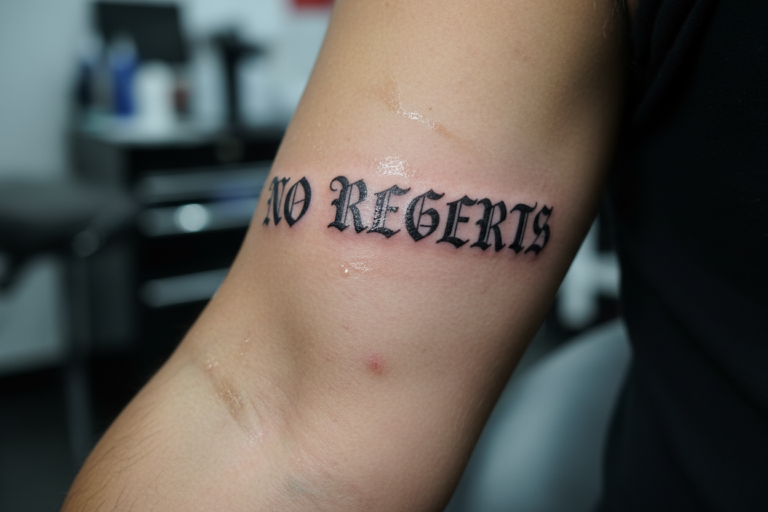
Your tattoo may also ooze a mix of plasma, ink, and blood, which can create a sticky layer on the skin.
What you should do
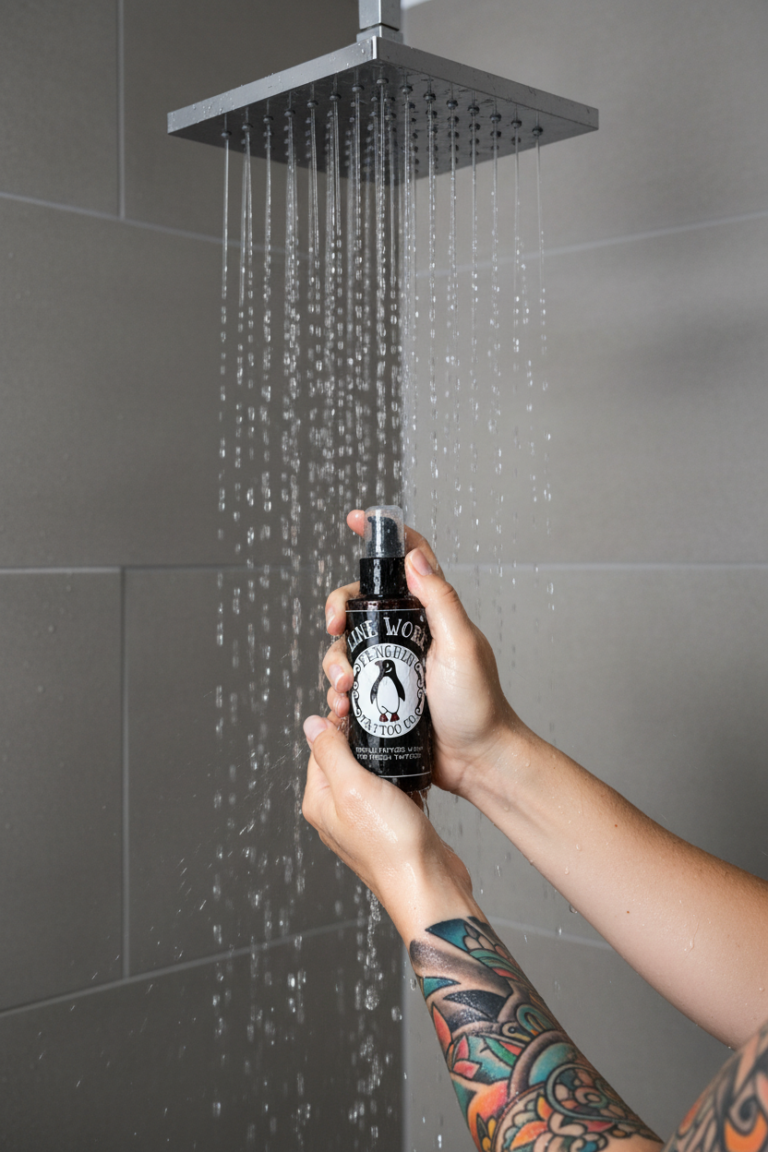
- Wash the tattoo gently with mild soap
- Pat dry with a clean towel
- Apply a thin layer of aftercare ointment
- Avoid tight clothing
Proper tattoo aftercare during this stage is crucial to prevent infection.
Days 4–7: Peeling and Itching Stage
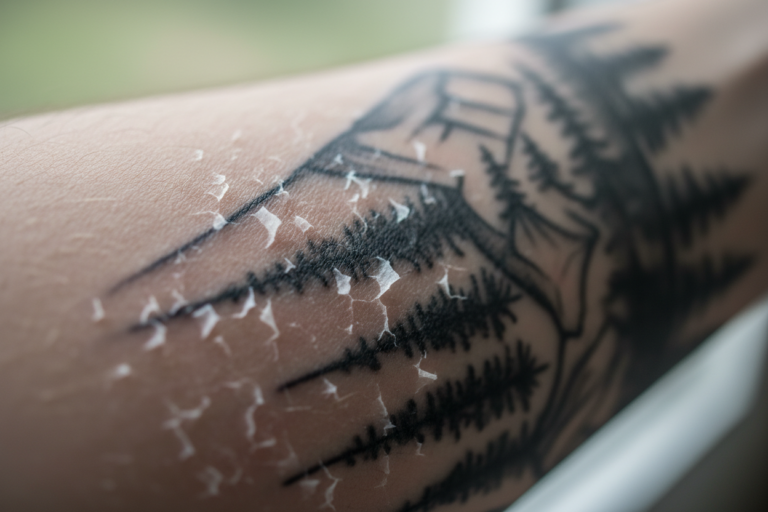
Around day four, the tattoo enters the tattoo peeling stage.
What’s happening in your skin
The outer layer of damaged skin begins to shed. This is similar to peeling after a sunburn.
Normal signs
- Flaky or peeling skin
- Moderate itching
- Formation of small scabs
- Dry appearance
The tattoo may look dull or cloudy during this stage. This is normal and temporary.
What you should do
- Keep the tattoo moisturized
- Avoid scratching
- Let scabs fall off naturally
Picking at scabs is one of the most damaging tattoo aftercare mistakes.
Week 2
By the second week, most of the peeling should be finishing.
What’s happening in your skin
New skin has formed on the surface, but deeper layers are still healing.
Normal signs
- Less itching
- Reduced redness
- Slight dryness
- Tattoo may still look slightly cloudy
At this stage, the tattoo may appear less vibrant than expected. Don’t worry—this is part of the healing process.
Weeks 3–4
Your tattoo should look mostly healed on the surface.
What’s happening in your skin
The dermis layer continues repairing itself, which locks the pigment in place.
Normal signs
- Skin texture returning to normal
- Tattoo colors becoming clearer
- No more peeling or scabbing
Most tattoos finish the primary healing process within 3–4 weeks, though deeper healing can take longer.
Section 2: 15 Tattoo Aftercare Mistakes That Ruin Tattoos
Many tattoo healing problems happen because of simple aftercare mistakes.
Here are some of the most common tattoo aftercare mistakes and how to avoid them.
1. Picking Scabs
Why it’s harmful
Picking scabs removes ink along with the skin, leading to faded spots or scars.
How to avoid it
Allow scabs to fall off naturally.
2. Over-Moisturising
Why it’s harmful
Too much lotion suffocates the skin and traps bacteria.
How to avoid it
Apply a thin layer of moisturizer 2–3 times daily.
3. Not Washing the Tattoo Properly
Why it’s harmful
Bacteria and dried plasma can build up, increasing infection risk.
How to avoid it
Wash the tattoo gently with fragrance-free soap.
4. Swimming Too Early
Why it’s harmful
Pools, lakes, and oceans contain bacteria that can infect a healing tattoo.
How to avoid it
Avoid swimming for at least 2–3 weeks.
5. Too Much Sun Exposure
Why it’s harmful
UV rays can cause premature fading and skin damage.
How to avoid it
Keep the tattoo covered or in the shade during healing.
6. Using Scented Lotions
Why it’s harmful
Fragrances can irritate healing skin.
How to avoid it
Use fragrance-free tattoo aftercare products.
7. Ignoring Tattoo Artist Instructions
Why it’s harmful
Your artist knows the best healing method for your specific tattoo.
How to avoid it
Always follow their aftercare recommendations first.
8. Wearing Tight Clothing
Why it’s harmful
Friction can damage scabs and remove ink.
How to avoid it
Wear loose, breathable clothing.
9. Not Cleaning the Tattoo
Why it’s harmful
Dirty tattoos are more likely to become infected.
How to avoid it
Clean the tattoo regularly during healing.
10. Using Petroleum Jelly
Why it’s harmful
Petroleum jelly traps moisture and bacteria.
How to avoid it
Use lightweight tattoo aftercare balm instead.
11. Scratching the Tattoo
Why it’s harmful
Scratching can reopen wounds and cause infections.
How to avoid it
Tap the tattoo gently instead of scratching.
12. Exercising Too Soon
Why it’s harmful
Excess sweat and stretching can irritate the tattoo.
How to avoid it
Avoid intense workouts for several days.
13. Long Hot Showers
Why it’s harmful
Heat softens scabs and can damage healing skin.
How to avoid it
Take short, lukewarm showers.
14. Rewrapping the Tattoo Too Often
Why it’s harmful
Trapped moisture promotes bacterial growth.
How to avoid it
Allow the tattoo to breathe after the initial wrap.
15. Stopping Aftercare Too Early
Why it’s harmful
Skin may still be healing under the surface.
How to avoid it
Continue aftercare for several weeks.
Section 3: 10 Tattoo Aftercare Myths
There are many misleading tattoo aftercare myths online. Let’s debunk the most common ones.
Myth 1: Vaseline Is Good for Tattoos
Why people believe it
It’s widely used for wound care.
Reality
Vaseline suffocates the skin and slows healing.
What works instead
Use a light tattoo aftercare lotion.
Myth 2: Letting Tattoos Dry Out Helps Healing
Why people believe it
Some wounds heal better when dry.
Reality
Dry tattoos crack and lose ink.
What works instead
Keep tattoos lightly moisturized.
Myth 3: Peeling Scabs Early Is Fine
Why people believe it
People want to reveal the tattoo faster.
Reality
Removing scabs pulls ink out.
What works instead
Let scabs fall naturally.
Myth 4: Swimming After a Few Days Is Safe
Why people believe it
The tattoo may look healed quickly.
Reality
Water exposure increases infection risk.
What works instead
Wait 2–3 weeks.
Myth 5: Sunlight Helps Tattoos Heal
Why people believe it
Sunlight dries skin.
Reality
Sunlight fades tattoos during healing.
What works instead
Keep tattoos out of direct sunlight.
Myth 6: You Should Rewrap Tattoos Often
Reality
Tattoos need air to heal properly.
Myth 7: All Moisturizers Are Safe
Reality
Some ingredients irritate healing skin.
Myth 8: Scratching Won’t Damage the Tattoo
Reality
Scratching can remove ink and cause infection.
Myth 9: Tattoos Heal in a Few Days
Reality
Full healing takes several weeks.
Myth 10: Aftercare Doesn’t Matter Much
Reality
Proper tattoo aftercare determines the final appearance of your tattoo.
Section 4: Signs Your Tattoo Is Healing Properly
Many people panic during healing because tattoos look strange temporarily.
Normal healing signs include:
Itching
Itching is a normal part of skin regeneration.
Peeling Skin
Flaky skin is part of the tattoo peeling stage.
Cloudy Appearance
New skin over the tattoo can temporarily dull the ink.
Dull or Faded Ink
Color returns as healing progresses.
These signs indicate the tattoo is following a normal tattoo healing timeline.
Section 5: Signs of Tattoo Infection
While rare, infections can occur.
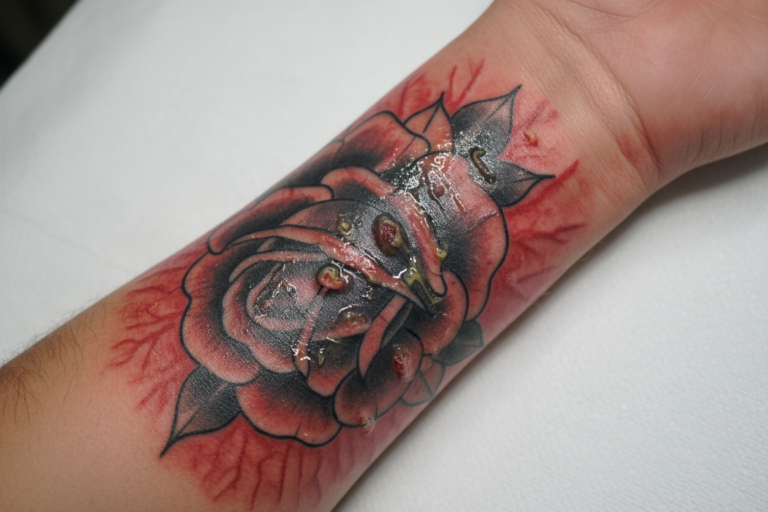
Watch for these signs of tattoo infection:
- Severe redness spreading outward
- Significant swelling
- Pus or yellow discharge
- Fever
- Excessive pain
- Red streaks near the tattoo
When to seek help
If these symptoms appear, contact:
- Your tattoo artist
- A healthcare professional
Early treatment prevents serious complications.
Section 6: Proper Tattoo Aftercare Routine
If you’re wondering how to take care of a new tattoo, follow this simple routine.
Step 1: Wash Your Tattoo
Use lukewarm water and fragrance-free soap.
Wash gently with clean hands.
Step 2: Dry the Tattoo
Pat the tattoo dry with a clean towel.
Avoid rubbing.
Step 3: Apply Aftercare Balm
Apply a thin layer of aftercare ointment or lotion.
Step 4: Moisturise Regularly
Moisturise 2–3 times per day.
Step 5: Continue Until Fully Healed
Aftercare should continue for 3–4 weeks.
Section 7: Best Tattoo Aftercare Products
The right ingredients can help support healing.
Helpful Ingredients
Panthenol
Promotes skin repair and hydration.
Shea Butter
Moisturizes and soothes irritation.
Vitamin E
Supports skin recovery and reduces dryness.
Ingredients to Avoid
Avoid products containing:
- Fragrance
- Alcohol
- Petroleum jelly
- Artificial dyes
These ingredients can irritate healing tattoos.
Section 8: Frequently Asked Questions
Can you shower after getting a tattoo?
Yes. Short, lukewarm showers are safe.
Avoid soaking the tattoo.
Can you swim after a tattoo?
No. Wait 2–3 weeks before swimming.
Can you exercise after getting a tattoo?
Light activity is fine, but avoid intense workouts for several days.
How often should you moisturise a new tattoo?
Usually 2–3 times daily.
How long do tattoos take to heal?
Most tattoos heal in 3–4 weeks, though deeper healing may take longer.
Conclusion
A tattoo is more than just body art—it’s a healing wound that requires proper care. Understanding the tattoo healing stages, avoiding common tattoo aftercare mistakes, and ignoring misleading tattoo aftercare myths can make a huge difference in how your tattoo looks once it heals.
Remember these essential tattoo healing tips:
- Wash your tattoo gently
- Keep it lightly moisturized
- Avoid picking scabs
- Stay out of the sun
- Avoid swimming during healing
- Watch for signs of tattoo infection
Following proper tattoo aftercare ensures your tattoo heals cleanly, retains vibrant color, and stays beautiful for years to come.
A tattoo is permanent—so the few weeks you spend caring for it properly are absolutely worth it.
latest posts
- The Complete Tattoo Aftercare Guide: Healing Timeline, Mistakes, Myths, and Expert Tips
- 10 Tattoo Aftercare Myths That Could Ruin Your Ink
- 15 Tattoo Aftercare Mistakes That Ruin Tattoos (And How to Avoid Them)
- Is My Tattoo Healing Properly? Signs of a Healthy Healing Tattoo
- Can You Exercise After Getting a Tattoo?
Disclaimer
The information provided on this website is for educational and informational purposes only. While we aim to provide accurate and helpful guidance about tattoo aftercare and healing, the content on this site should not be considered medical advice.
Tattoo healing can vary depending on individual skin types, health conditions, and the specific tattoo procedure. Always follow the aftercare instructions provided by your professional tattoo artist and consult a qualified medical professional if you experience signs of infection, allergic reactions, or unusual healing.
TattooAftercare.Studio and its authors are not responsible for any adverse reactions, complications, or outcomes resulting from the use of information provided on this website. By using this site, you acknowledge that you are responsible for your own tattoo care decisions.