
How Long Does Tattoo Aftercare Take? A Complete Timeline Breakdown
Understanding Tattoo Aftercare
Tattoo aftercare is an essential aspect of the tattooing process, contributing significantly to the healing and longevity of the artwork on your skin. Proper care immediately following the ink is applied can determine the quality and vibrancy of the tattoo for years to come. Aftercare involves a series of specific steps designed to keep the tattoo clean, moisturised, and protected from potential hazards that can lead to infections, fading, and other complications.
One primary reason why tattoo aftercare is critical is to prevent infections. A freshly tattooed area is akin to an open wound, making it susceptible to various bacteria and irritants. Adhering to recommended aftercare practices—such as washing the area gently, applying a protective ointment, and avoiding submerging the tattoo in water—can minimize the risk of infection. Neglecting aftercare can result in painful complications and ultimately compromise the tattoo’s appearance.
Furthermore, the way you care for your tattoo directly affects its healing process and overall aesthetic. For instance, the initial care phase should include keeping the tattoo clean and properly moisturized. This not only soothes the skin as it heals but also supports the ink’s retention in the skin layers. Following up with the right products, such as fragrance-free lotions or specialized tattoo creams, ensures that the skin stays hydrated without causing irritation.
In addition to the immediate care post-tattooing, it’s vital to follow long-term care guidelines. This includes protecting your tattoo from sun exposure and avoiding harsh chemicals. These precautions are necessary to enhance the longevity of the tattoo and maintain its brightness.
The Immediate Aftercare: Day 1 to Day 3
Immediately following the completion of your tattoo, the first three days are critical for ensuring proper healing and minimizing complications. Proper tattoo aftercare during this period is essential to achieving the desired outcome, preventing infection, and reducing discomfort.
On the first day, your tattoo artist will typically cover the tattoo with a protective bandage or wrap. It is vital to leave this covering in place for at least a few hours to protect the freshly inked skin from bacteria and debris. After the recommended time, carefully remove the bandage, noting any potential irritation caused by the adhesive. It is advisable to gently wash the area with mild, unscented soap and lukewarm water, patting it dry with a clean towel.
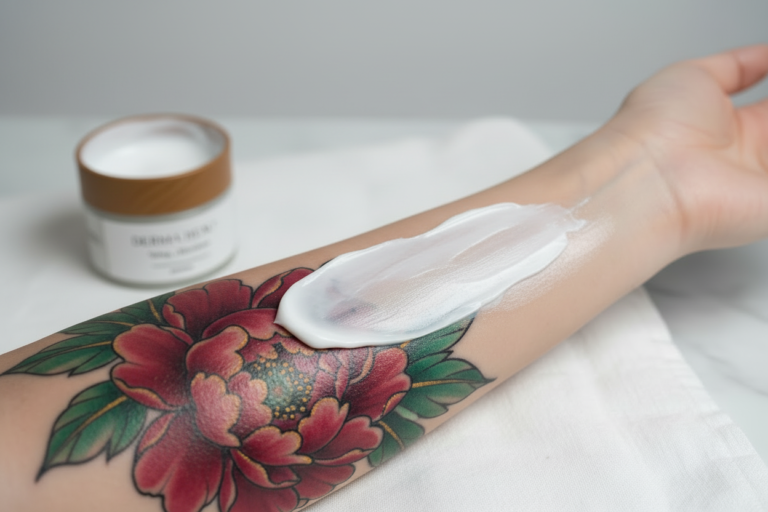
In the subsequent days, continuing the washing routine is important. Clean the tattoo two to three times daily while applying a fragrance-free ointment or tattoo-specific moisturizer to keep the skin hydrated. This process will prevent excessive scabbing and promote optimal healing. It is crucial to avoid using products that could irritate the skin, such as alcohol-based items or anything with strong fragrances.
During this period, it is common to experience some discomfort or irritation. Symptoms may include redness, swelling, or tenderness, which are normal responses as the skin starts healing. Utilizing a cold compress can help alleviate these sensations. Pay attention to your body’s reactions, and if symptoms worsen or signs of infection such as pus, severe swelling, or unusual pain occur, consulting with a healthcare professional is advisable.
In conclusion, the immediate aftercare phase is a vital step in the tattoo healing process. By adhering to proper cleaning and moisturizing protocols, you can significantly influence the overall outcome of your tattoo.
The Healing Process: Days 4 to 14
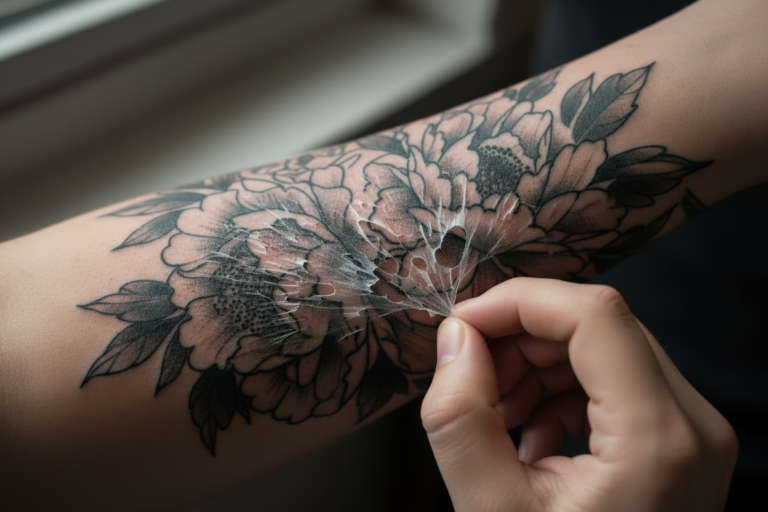
The tattoo healing process enters a significant phase between days four to fourteen, during which various changes transpire as the skin continues to recover. After the first few days, the tattoo site may begin to feel less tender, yet it is during this timeframe that peeling can start. It is vital to understand that peeling is a natural part of tattoo aftercare, signaling that the top layers of skin are sloughing off dead cells and making way for new skin underneath.
As the healing progresses, the tattoo may appear dull or hazy due to moisture loss and the formation of various textures. Skin dryness is a common occurrence during this time. To mitigate this, it is crucial to maintain proper hydration of the tattooed area. Applying a suitable, fragrance-free moisturizer can aid in keeping the skin soft and preventing excessive dryness. Using a recommended ointment or a hypoallergenic lotion can be beneficial, as it protects the tattoo while allowing it to breathe.
Additionally, avoid the common temptation to scratch or pick at the peeling skin, as this can lead to complications such as scarring or color loss in the tattoo. It is advisable to keep the area clean with mild soap and water; however, avoid soaking the tattoo in water, such as in baths or pools, during this period to prevent irritation or infection.
Moreover, it is essential to remain vigilant about any signs of infection, which may manifest as increased redness, swelling, or pus. Following a well-rounded tattoo aftercare routine not only helps in a smooth healing process but also ensures that the final result is vibrant and true to the initial intention.
Long-Term Care and Final Touch-up: Weeks 2 and Beyond
As the tattoo begins to heal over the first week, the second week ushers in a phase where continuous care remains essential for maintaining the integrity of the design. During this period, it is crucial to keep the tattoo moisturized. Utilizing fragrance-free lotions or balms specifically designed for tattoo aftercare can significantly enhance skin hydration, ensuring that the vibrant colors and intricate details of the tattoo are preserved. Regular application will help avoid dryness and itching, which can lead to irritation.
Once the initial healing has taken place, which typically spans the first few weeks, the focus shifts to protecting the tattoo from the elements to ensure its long-term vibrancy. Clients should minimize direct sun exposure and, if necessary, use high-SPF sunscreen to shield the tattoo when outside. Long-term care also involves staying hydrated and using products that promote healthy skin, as overall skin health directly influences how well the tattoo ages.
Regarding touch-ups, many individuals consider scheduling a follow-up appointment about 6 to 12 weeks after the initial application. This timeframe allows the artist to assess the healed tattoo and make any necessary adjustments to enhance the final appearance. Making sure to follow the artist’s aftercare instructions during this period can facilitate the touch-up process, ensuring the artist has the best canvas possible.
In addition to the aforementioned strategies, maintaining a consistent skincare routine is vital. Opting for gentle exfoliation and incorporating vitamins such as Vitamin C can support skin recovery and tattoo longevity. Products free from harsh chemicals or fragrances are recommended to avoid inflammation or allergic reactions, ultimately protecting the investment made in the tattoo. The choices made in the weeks following the initial healing phase are pivotal in determining the tattoo’s quality and longevity.
Learn more by reading our complete healing guide
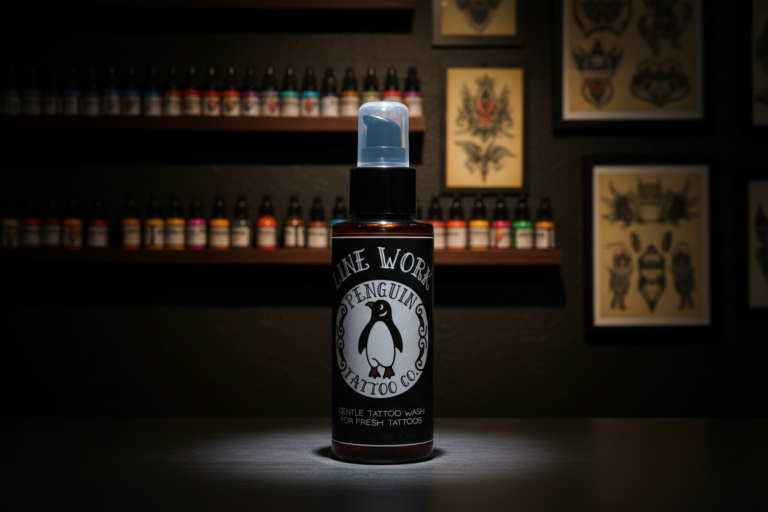
Looking for Tattoo Aftercare? Check out Penguin Tattoo Co
Latest posts
- The Complete Tattoo Aftercare Guide: Healing Timeline, Mistakes, Myths, and Expert Tips
- 10 Tattoo Aftercare Myths That Could Ruin Your Ink
- 15 Tattoo Aftercare Mistakes That Ruin Tattoos (And How to Avoid Them)
- Is My Tattoo Healing Properly? Signs of a Healthy Healing Tattoo
- Can You Exercise After Getting a Tattoo?
looking for tattoo aftercare?
Disclaimer
The information provided on this website is for educational and informational purposes only. While we aim to provide accurate and helpful guidance about tattoo aftercare and healing, the content on this site should not be considered medical advice.
Tattoo healing can vary depending on individual skin types, health conditions, and the specific tattoo procedure. Always follow the aftercare instructions provided by your professional tattoo artist and consult a qualified medical professional if you experience signs of infection, allergic reactions, or unusual healing.
TattooAftercare.Studio and its authors are not responsible for any adverse reactions, complications, or outcomes resulting from the use of information provided on this website. By using this site, you acknowledge that you are responsible for your own tattoo care decisions.