How Often Should I Moisturise a New Tattoo?
Why Moisturising is Important for Tattoo Healing
Moisturising a new tattoo is crucial in promoting effective healing and ensuring the best possible outcome. During the healing process, the tattooed skin undergoes several changes, and maintaining adequate moisture can significantly influence these changes. The skin, newly adorned with ink, is essentially an open wound that requires special attention to facilitate recovery.
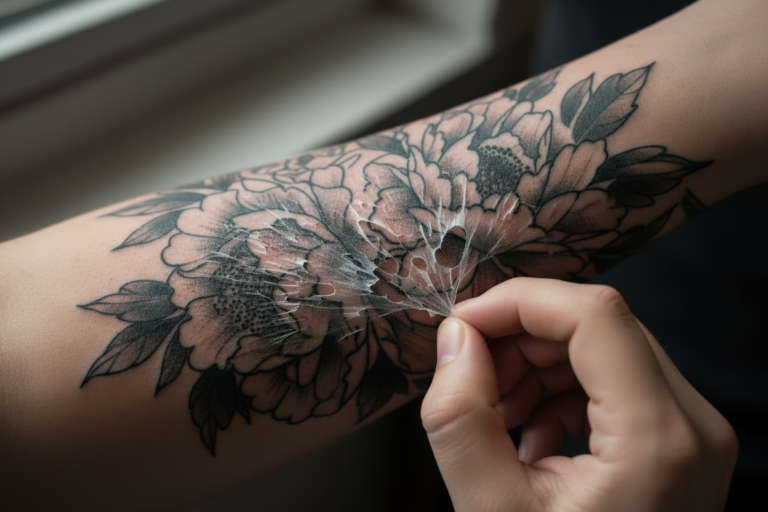
One of the primary benefits of moisturising is that it helps prevent the formation of scabs. When the skin remains hydrated, the outer layer can heal without excessive dryness, which often leads to itchiness and the temptation to scratch. Scratching a healing tattoo can disrupt the healing process and lead to complications such as infections or the loss of ink. By applying a suitable moisturiser, you effectively create a barrier that alleviates itchiness while keeping the skin supple.
In addition to preventing scabbing and itchiness, proper tattoo aftercare through moisturisation plays a pivotal role in preserving the vibrancy and clarity of the tattoo itself. When the skin is well-hydrated, it maintains its elasticity, allowing for better ink retention. This means that the colours will remain bold and striking, instead of fading or getting distorted over time. For the best results, it is advisable to use unscented, hypoallergenic moisturisers specifically designed for tattoo aftercare. These products are formulated to avoid irritation while ensuring that the skin receives essential nutrients needed for optimal healing.
Thus, the significance of moisturising a new tattoo cannot be overstated. Not only does it aid the skin’s recovery process but it also enhances the overall aesthetic appeal of the tattoo, ensuring that the artwork remains as intended for years to come.
How Dry Skin Affects Tattoos
Proper tattoo aftercare is essential to ensure the longevity and vibrancy of your new tattoo. One of the most significant factors that can impede the healing process is dry skin. When the skin becomes excessively dry, it can lead to several complications that may not only affect the appearance of the tattoo but also increase the risk of infection.
One of the primary concerns with dry skin on a healing tattoo is fading. Tattoos rely on the ink being securely embedded in the skin’s layers. When your skin lacks moisture, it can become brittle, which may cause the ink to break down more rapidly during the healing process. As a result, you may find that your tattoo appears less vivid, leading to an unsatisfactory final result.
Another issue that arises from dry skin is cracking. When skin loses its natural moisture barrier, it can lead to fissures or cracks. For fresh tattoos, this can be particularly detrimental, as cracks not only compromise the aesthetic but can also hinder the natural healing process. These fissures may become entry points for bacteria, increasing the risk of infection. An infected tattoo requires medical treatment and can lead to scarring, further complicating the tattoo aftercare process.
To avoid these undesirable outcomes, it is crucial to maintain proper hydration of the tattooed area. Applying a suitable moisturizer helps to lock in moisture, allowing the skin to heal efficiently while also preserving the tattoo’s integrity. Additionally, using a moisturizer that is specifically designed for tattoo aftercare can promote a healthier healing process, ensuring that your tattoo remains a source of pride rather than concern. Remember, consistent moisturization plays a pivotal role in avoiding complications associated with dry skin on tattoos.
How Often to Moisturise a New Tattoo During the First Week
Caring for a new tattoo is crucial to ensure proper healing and to maintain its appearance. During the first week, it is typically recommended to moisturise the tattooed area several times a day. Specifically, applying a suitable moisturising product three to four times daily can significantly aid in the healing process. This routine helps prevent the skin from becoming excessively dry or forming scabs, both of which can adversely affect the tattoo’s clarity.
The ideal time to moisturise is after gently cleaning the tattoo with mild soap and lukewarm water. Following this, pat the area dry with a clean towel before applying the moisturiser. It is important to use products that are specifically designed for tattoo aftercare; these often contain ingredients that promote healing without causing irritation. Look for fragrance-free and hypoallergenic options, as these are gentler on healing skin.
Many tattoo artists recommend using an unscented and thick lotion or a natural healing ointment during this initial phase. Products containing aloe vera, vitamin E, or specific tattoo moisturisers are excellent choices. Avoid petroleum jelly or heavy ointments, as they can suffocate the skin and increase the risk of infection.
Throughout this first week, observe the tattoo’s appearance. If any unusual irritation occurs, consider adjusting your aftercare routine or consult a professional. Remember that effective tattoo aftercare goes beyond just moisturising; it also involves protecting the tattoo from excessive sunlight and physical abrasion. Consistent and appropriate skincare will contribute to your tattoo’s vibrant and lasting quality.
How Moisturising Changes During Later Healing Stages
When it comes to tattoo aftercare, the method and frequency of moisturisation play a crucial role in promoting optimal healing. Initially, during the first few days post-tattooing, the skin remains fresh and sensitive, requiring more frequent applications of moisture to prevent dryness and aid in the healing process. At this stage, it is recommended to apply a suitable tattoo aftercare product, such as a fragrance-free moisturizer or a specialised tattoo ointment, several times a day. This will help to keep the skin hydrated and support the scabbing process.
As the days progress and the tattoo begins to heal, the skin will start undergoing significant changes. The initial tightness and sensitivity may lessen, indicating that the healing process is progressing. Consequently, the frequency of moisturisation can be gradually reduced. It is important to observe the tattoo closely; if it appears flaky or dry, returning to the more regular application of your chosen product is advisable.
Moreover, as the tattoo matures, the type of products used can also evolve. Once the initial healing phase is completed, and the skin is no longer in a fragile state, one might consider shifting from heavier ointments to lighter moisturising lotions or creams. These alternatives can provide ample hydration without overwhelming the skin. It is essential to choose non-comedogenic, hypoallergenic products to avoid irritation as the tattoo continues to settle. Keeping the skin moisturised throughout the various stages of healing not only enhances the appearance of the tattoo but can also expedite the regeneration of healthy skin.
Signs You Are Using Too Much Moisturiser
While proper tattoo aftercare is essential for optimal healing, it is equally important to avoid over-moisturising your new tattoo. Signs of over-moisturisation can lead to various complications that may hinder the healing process and affect the overall quality of your tattoo.
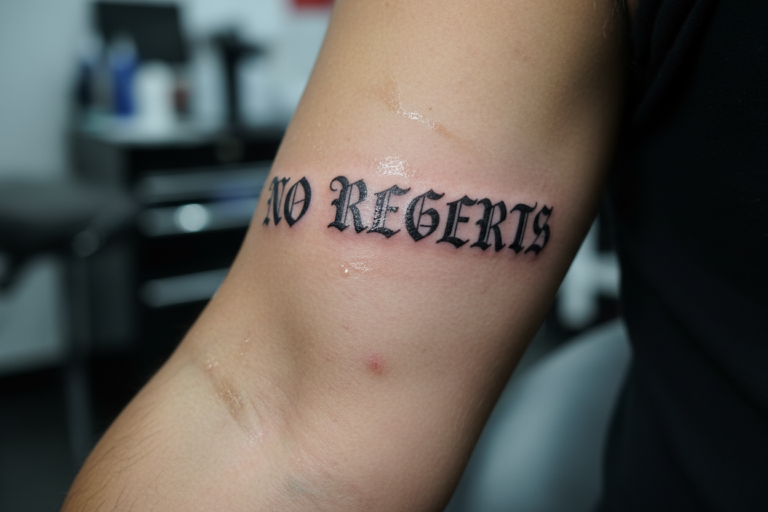
One major sign that you might be using too much moisturiser is the appearance of excessive shine on the tattooed area. A fresh tattoo should have a slight sheen but shouldn’t appear overly greasy. If the skin remains shiny and slick even after some time has passed since application, it could indicate that you are applying more product than necessary.
Another indicator of over-moisturisation is the presence of a thick, almost gelatinous layer on the surface of the skin. This can occur when too many layers of moisturiser are applied without allowing the skin to breathe. This excessive buildup can trap bacteria, potentially leading to infections and other complications during the healing process. To ensure that your tattoo heals properly, it is crucial to strike a balance in your application routines.
Moreover, if you notice an unusual amount of flaking or peeling skin, this may also signify over-moisturisation. While some flaking is normal as the tattoo heals, excessive peeling can lead to uneven healing and scabbing. It is vital to allow the skin to dry out slightly between moisturiser applications, ensuring that the natural healing processes can take place.
Lastly, be aware of any irritation or increased redness around your tattoo. While some redness is expected during the healing of a tattoo, excessive redness and irritation can indicate that your skin is reacting negatively to too much product. Ideally, you should aim for moisturisation that keeps your tattoo hydrated without overwhelming the skin’s ability to heal.
Signs Your Tattoo is Too Dry
A newly inked tattoo requires diligent tattoo aftercare to ensure optimal healing and vibrancy. One of the most important aspects of this care is maintaining adequate moisture levels. Recognizing the signs that your tattoo is becoming too dry is essential to preventing complications during the healing process.
One of the primary indicators that your tattoo is not receiving enough moisture is excessive flaking. If you notice that the skin around your tattoo is shedding more than expected, this could be a signal that it lacks sufficient hydration. This flaking may occur alongside redness or irritation, both of which can be exacerbated by dehydration and inadequate tattoo aftercare.
You may also experience a sense of discomfort or itchiness. While some itching is normal during the healing process, if it becomes intense or persistent, it may indicate that your skin is too dry. This discomfort can lead to scratching, which can damage the delicate healing skin and increase the risk of infection.
Another sign to watch for is the appearance of cracks or fissures in the skin, which may resemble dry patches or even small cuts. These cracks can occur if the skin has not been adequately moisturised. If you observe these symptoms, it is crucial to evaluate and adjust your tattoo aftercare routine immediately.
Additionally, if your tattoo appears dull or loses definition, this could be a result of insufficient moisture. A well-hydrated tattoo should maintain its vibrancy and sharpness. Therefore, keeping your tattoo moisturised is key to not only ensuring its health during the healing process but also preserving its visual appeal for years to come.
Tips for Applying Tattoo Balm or Cream Correctly
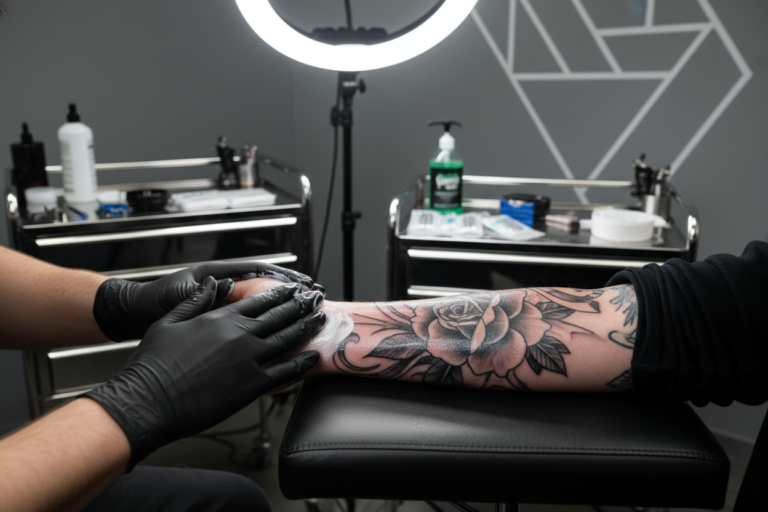
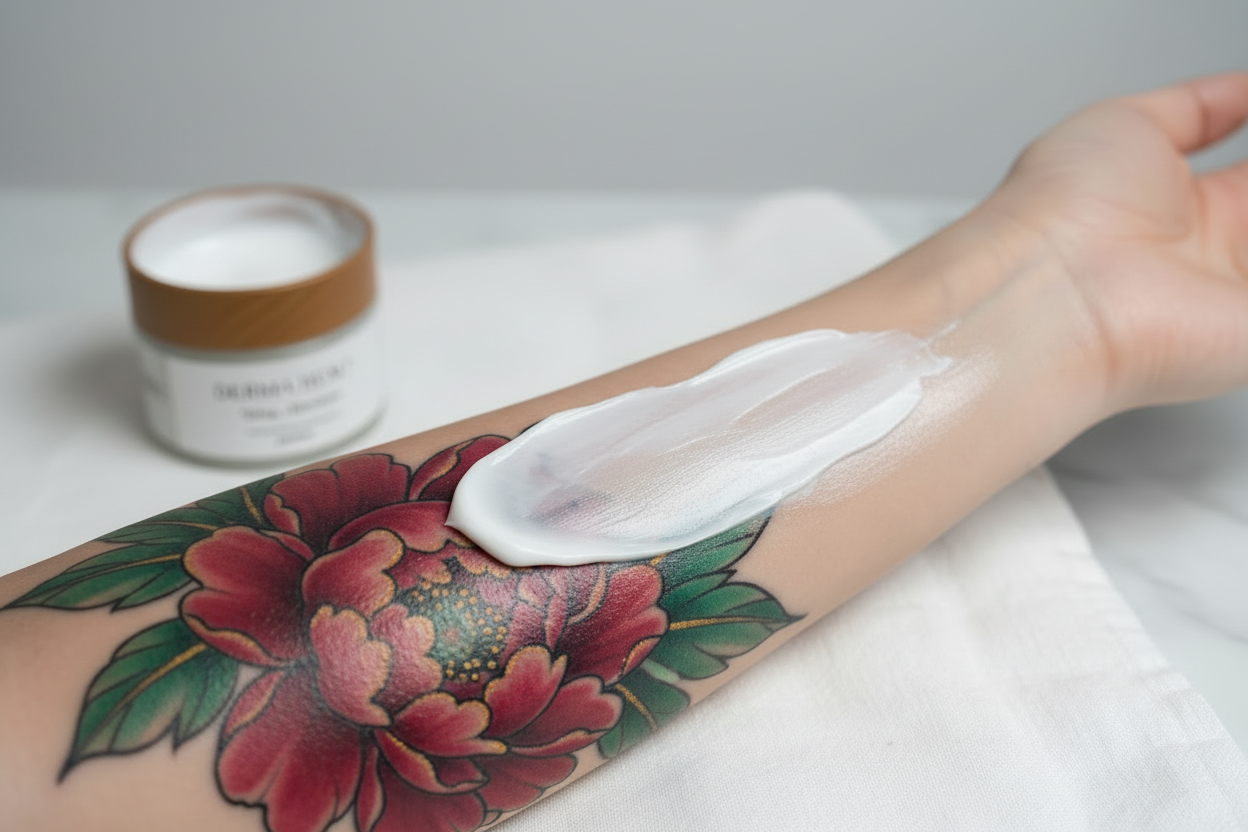
Proper application of tattoo aftercare products such as balms or creams is essential in promoting optimal healing and preserving the vibrancy of your new tattoo. To begin, ensure that your hands are thoroughly washed to minimise the risk of infection before touching your tattoo. Gentle application is key; avoid rubbing or scrubbing the tattooed area. Instead, use clean fingers or a cosmetic applicator to gently dab or pat the product onto your skin.
The amount of product you use should be sufficient to cover the tattoo with a thin, even layer. Overly thick applications can trap moisture and promote irritation, so aim for just enough to lightly moisturize the skin without suffocating it. A pea-sized amount for small tattoos and a bit more for larger ones are generally sufficient. It is advisable to apply the chosen moisturizing product two to three times a day, adjusting frequency based on your skin’s needs and the tattoo’s healing stage.
Be mindful of the ingredients in your tattoo aftercare products. Avoid fragrances, alcohol, and other potential irritants that could cause adverse reactions on sensitive skin. Opt for specialized tattoo balms or creams that are formulated specifically for tattoo aftercare; these products often contain soothing ingredients like shea butter, coconut oil, or vitamin E, which are known for their hydrating and healing properties. Additionally, ensure that any product you choose is hypoallergenic and tested for safety on sensitive skin.
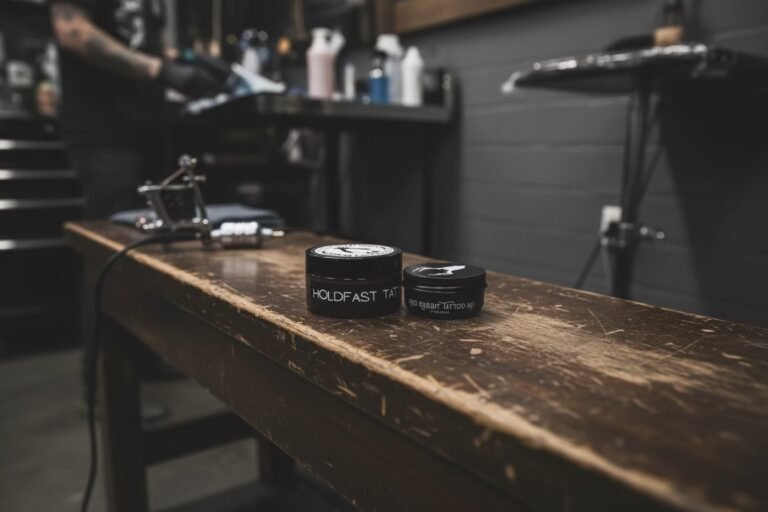
We use Holdfast Tattoo Balm on our tattoos
Latest Posts
- The Complete Tattoo Aftercare Guide: Healing Timeline, Mistakes, Myths, and Expert Tips
- 10 Tattoo Aftercare Myths That Could Ruin Your Ink
- 15 Tattoo Aftercare Mistakes That Ruin Tattoos (And How to Avoid Them)
- Is My Tattoo Healing Properly? Signs of a Healthy Healing Tattoo
- Can You Exercise After Getting a Tattoo?
looking for tattoo aftercare?
Disclaimer
The information provided on this website is for educational and informational purposes only. While we aim to provide accurate and helpful guidance about tattoo aftercare and healing, the content on this site should not be considered medical advice.
Tattoo healing can vary depending on individual skin types, health conditions, and the specific tattoo procedure. Always follow the aftercare instructions provided by your professional tattoo artist and consult a qualified medical professional if you experience signs of infection, allergic reactions, or unusual healing.
TattooAftercare.Studio and its authors are not responsible for any adverse reactions, complications, or outcomes resulting from the use of information provided on this website. By using this site, you acknowledge that you are responsible for your own tattoo care decisions.