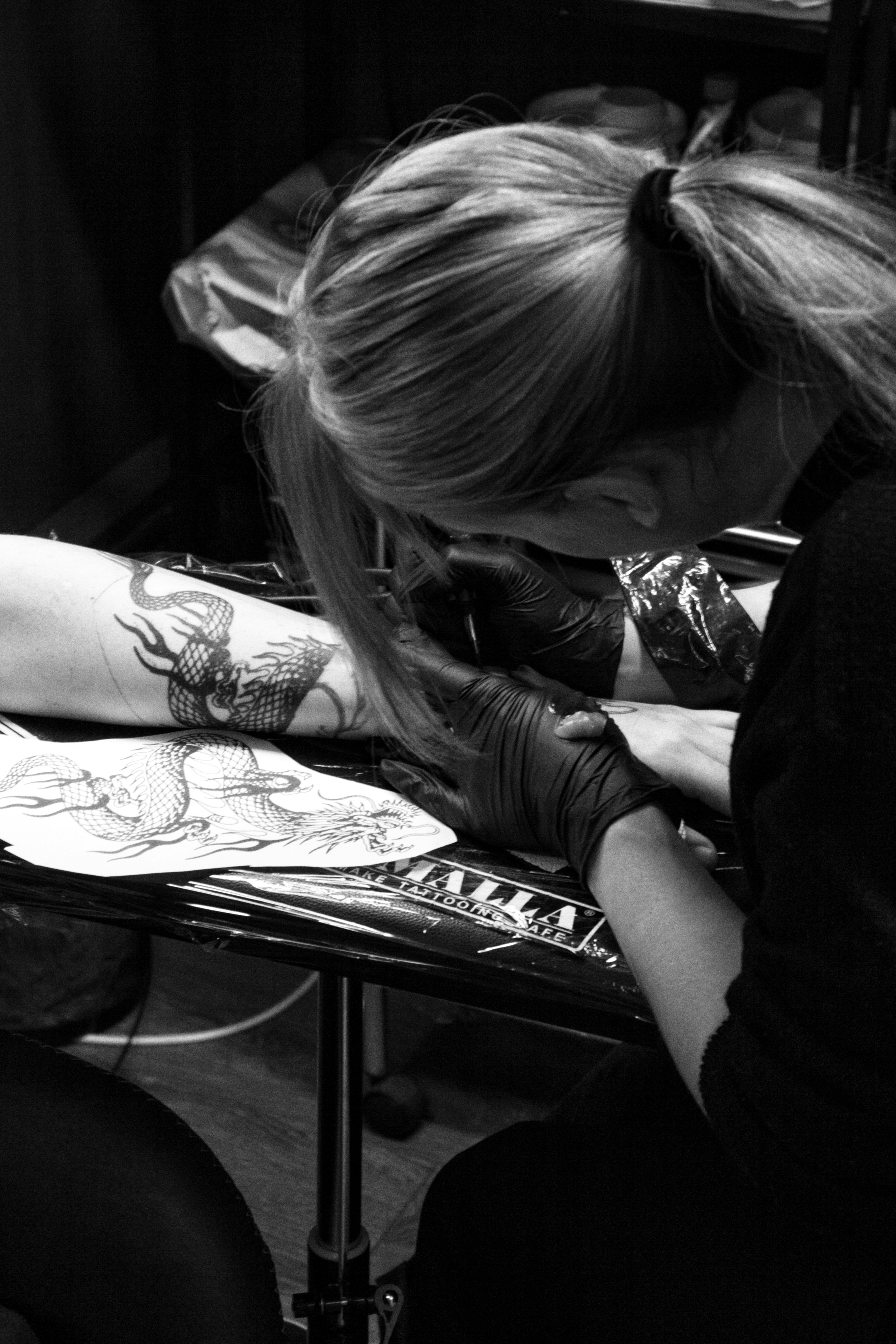
Dragon tattoos: Meaning, Symbolism and Style
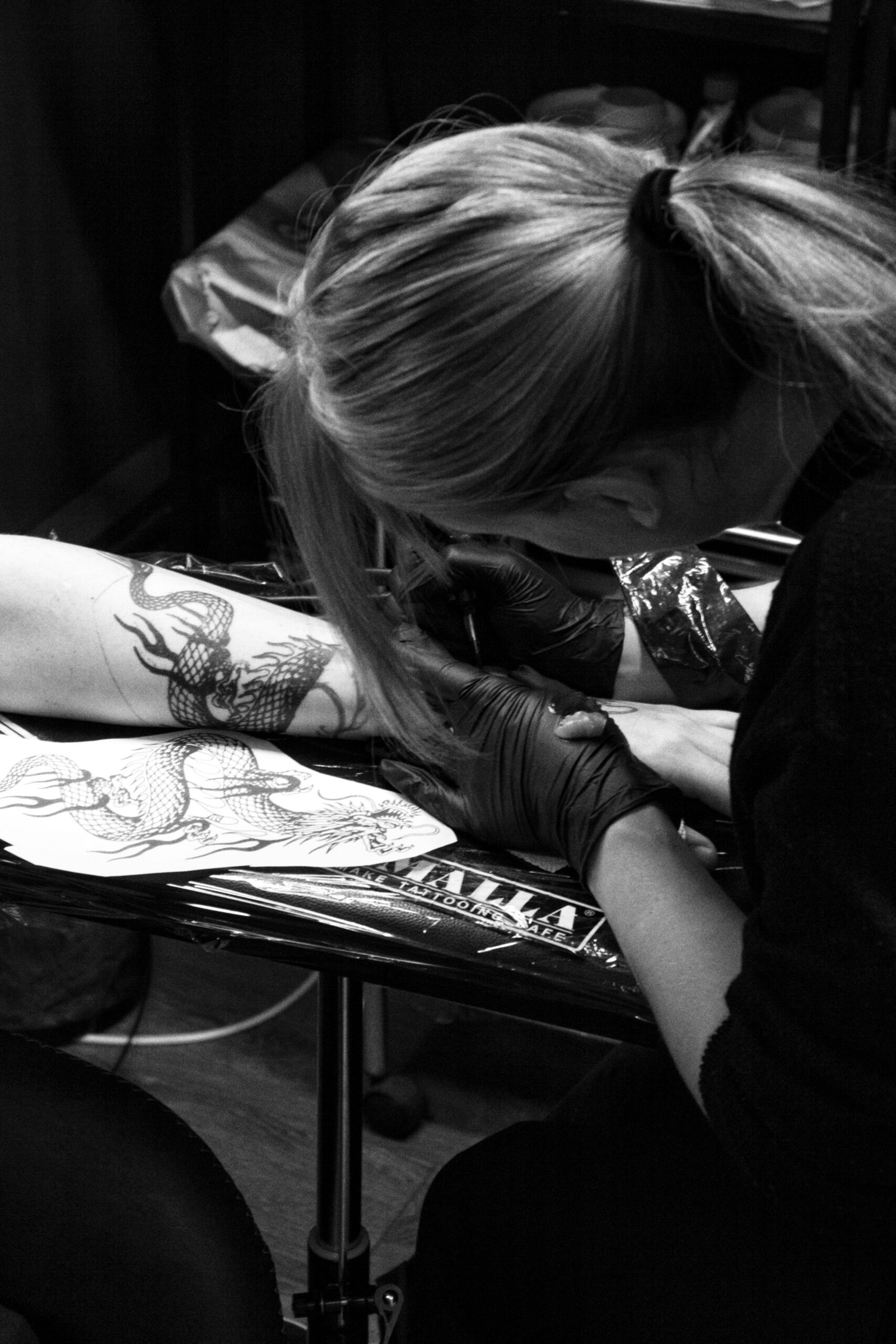
Why Dragon Tattoos Endure
Few tattoo subjects have the staying power of the dragon. They’ve been a staple of tattooing for decades across completely different cultural traditions, and they show no signs of going anywhere. Part of that comes down to aesthetics, a well-executed dragon tattoo is genuinely striking – but the bigger reason is probably how much meaning you can pack into the design depending on where you look.
Dragons mean very different things in different parts of the world. That range is actually one of the more interesting things about them as a tattoo subject, and it’s worth understanding before you commit to a design.
What Dragons Mean Around the World
In Chinese culture, the dragon is about as positive a symbol as you can get. It represents strength, luck, and imperial authority, historically, the emperor himself was associated with the dragon as a sign of divine power. Chinese dragons are benevolent, wise, and connected to water and agriculture. They bring rain, prosperity, and good fortune. During Chinese New Year, dragon dances are still performed as a ritual to invite luck and drive away bad spirits. A dragon tattoo drawn from this tradition carries all of that weight, abundance, protection, and auspiciousness.
In Japanese culture, dragons are similar in spirit to their Chinese counterparts but with a distinctly different feel in the artwork. They’re water deities, connected to rain, storms, and the ocean and they’re regarded as wise protectors rather than threats. Japanese folklore also includes stories of dragons that can transform into human form, which ties them to themes of change and resilience. A Japanese-style dragon tattoo tends to emphasise that serpentine, flowing form, often worked into larger compositions with waves, koi, or cherry blossoms.
In Western mythology, the dragon is almost the opposite. Here, they’re the villain, fire-breathing, treasure-hoarding, something to be defeated. The knight who slays the dragon is the hero; the dragon itself represents chaos, greed, and destruction. That said, the Western interpretation has become a lot more layered in recent decades. Fantasy literature and shows like Game of Thrones have made dragons into something more complex, powerful and dangerous, but also majestic and worthy of respect. Western-style dragon tattoos often lean into that tension.
African traditions vary widely, but some cultures depict dragons as beings that bridge the physical and spiritual worlds, less about power over nature and more about connection between realms.
Popular Styles
Traditional/Asian-inspired – Bold lines, rich colour, and dynamic poses. These designs draw heavily from Japanese and Chinese artistic traditions, and they tend to be larger pieces that benefit from more canvas. Think full sleeves, backs, or chest pieces.
Tribal – Heavy black linework, geometric forms, no colour. Tribal dragon designs are graphic and visually bold, often chosen for their raw aesthetic as much as any specific symbolic meaning.
Watercolour – Softer, more abstract, built around colour and flow rather than precise outlines. These designs have a very different energy — less fierce, more ethereal. A good choice if you want something that feels more personal and painterly.
Minimalist – Small, clean, often just an outline or a simple silhouette. These work well in discreet spots and can carry just as much personal meaning in a fraction of the visual weight.
Placement
Size and placement go hand in hand with dragon tattoos more than most subjects, because the shape of a dragon – that long, winding body, works naturally with certain parts of the anatomy.
Large, detailed pieces work best on the back, chest, thigh, or as a full sleeve. The dragon’s form can follow the contour of the arm or wrap around the torso in a way that genuinely adds to the design rather than fighting against the canvas.
Smaller or more simplified designs can work on the forearm, calf, wrist, or ankle. If discretion matters – professionally or personally – the upper shoulder, upper back, or ribcage are solid options that can be easily covered.
Beyond practicality, think about what the placement means to you. Some people choose locations that connect to something personal — a spot on the body associated with a particular experience or period of their life. It adds a layer to the tattoo that nobody else necessarily needs to know about.
Aftercare for Dragon Tattoos
Dragon tattoos are often large and detailed, which means the healing process deserves extra attention. More surface area, more linework, more colour – all of it needs time and care to settle properly.
Keep it clean with lukewarm water and a gentle, fragrance-free cleanser. Pat dry – don’t rub. Do this two to three times a day in the first week or so.
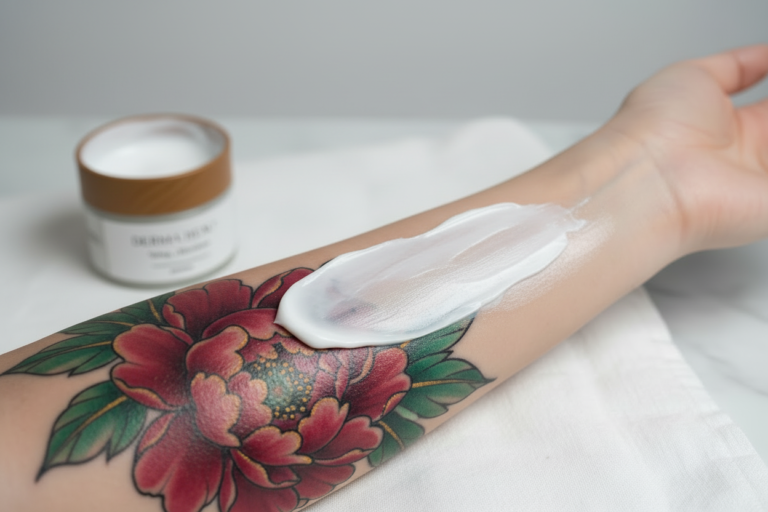
Moisturise with a thin layer of tattoo-safe balm or ointment after each clean. The goal is to keep the skin lightly hydrated without suffocating it – a thin layer, not a thick coat.
Stay out of direct sunlight during healing. With a colour-heavy piece like many dragon designs, UV exposure during the healing window can genuinely affect how the finished tattoo looks. Once it’s healed, high-SPF sunscreen is your best long-term defence against fading.
Avoid soaking — no pools, ocean swims, or baths until the tattoo is fully healed. And leave the peeling skin alone, no matter how tempting it gets.
Your artist will give you specific guidance based on your design. Follow it.
Choosing Your Design
The range of meaning available in a dragon tattoo is genuinely one of its strengths. You can draw on Eastern symbolism for protection and good fortune, lean into Western imagery for something edgier, or blend traditions into something entirely your own.
What matters is that the design connects to something real for you – whether that’s cultural heritage, a personal story, or simply an aesthetic you’ve wanted on your skin for years. A dragon tattoo done well is a serious piece of art. It’s worth taking the time to get the meaning and the execution right.
Latest posts
- The Complete Tattoo Aftercare Guide: Healing Timeline, Mistakes, Myths, and Expert Tips
- 10 Tattoo Aftercare Myths That Could Ruin Your Ink
- 15 Tattoo Aftercare Mistakes That Ruin Tattoos (And How to Avoid Them)
- Is My Tattoo Healing Properly? Signs of a Healthy Healing Tattoo
- Can You Exercise After Getting a Tattoo?
looking for tattoo aftercare?
Disclaimer
The information provided on this website is for educational and informational purposes only. While we aim to provide accurate and helpful guidance about tattoo aftercare and healing, the content on this site should not be considered medical advice.
Tattoo healing can vary depending on individual skin types, health conditions, and the specific tattoo procedure. Always follow the aftercare instructions provided by your professional tattoo artist and consult a qualified medical professional if you experience signs of infection, allergic reactions, or unusual healing.
TattooAftercare.Studio and its authors are not responsible for any adverse reactions, complications, or outcomes resulting from the use of information provided on this website. By using this site, you acknowledge that you are responsible for your own tattoo care decisions.