Understanding Tattoo Healing Stages: A Comprehensive Guide to Aftercare
The Basics
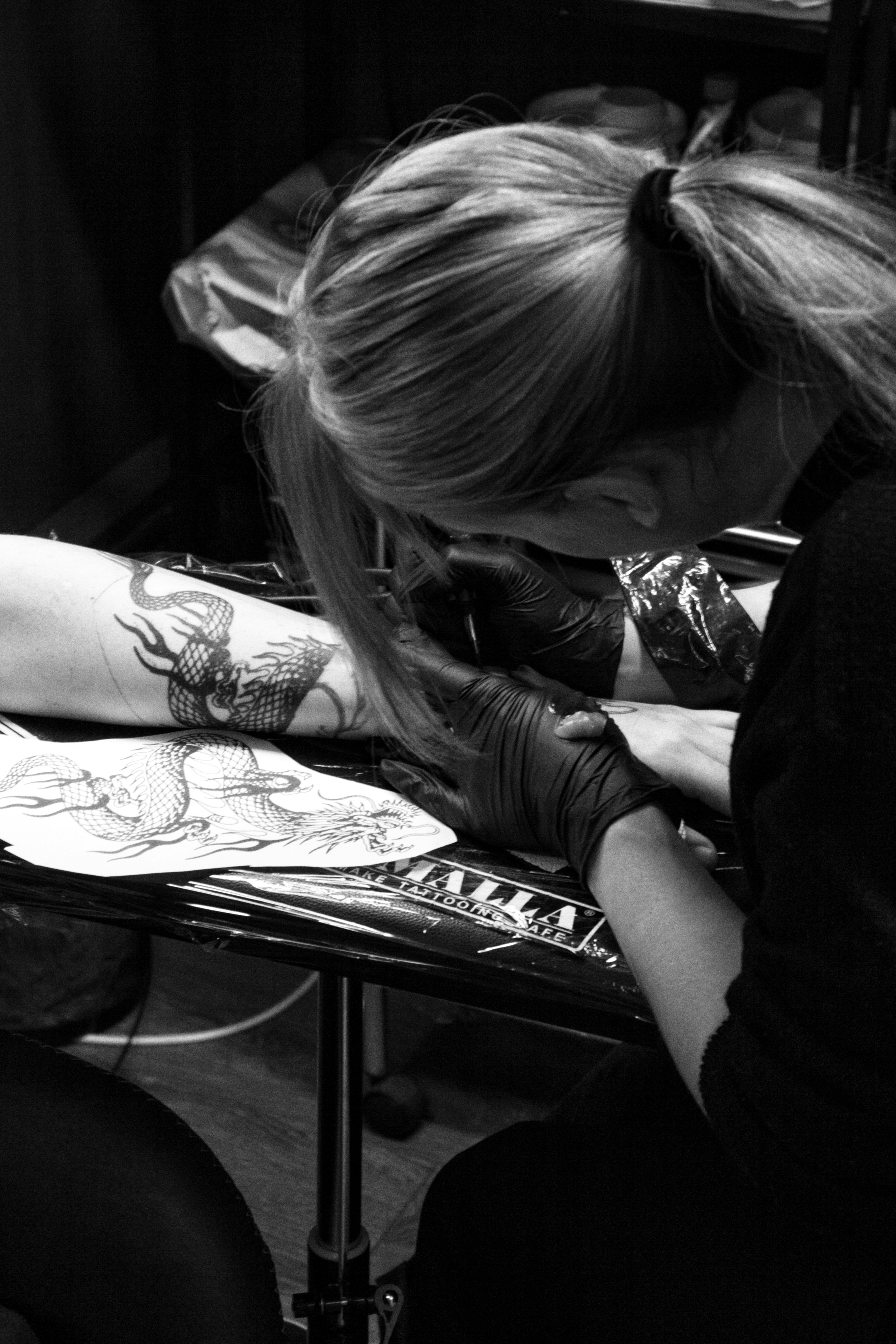
Getting a tattoo healed properly is just as important as getting it done well. The skin goes through a real recovery process after being tattooed, and how you look after it during that window has a direct impact on how the finished piece looks.
Most tattoos go through three broad stages: initial healing, peeling, and regeneration. Each one looks and feels a bit different, and knowing what’s normal at each stage saves you a lot of unnecessary worry — and helps you catch it early if something actually does go wrong.
Days 1–3: The First Stage
Right after getting tattooed, the area will be red, swollen, and tender. That’s your body’s inflammatory response doing its job — the skin has been punctured thousands of times and it’s reacting accordingly. Some clear fluid or plasma sitting on the surface is also completely normal.
What to do during this stage is pretty straightforward:
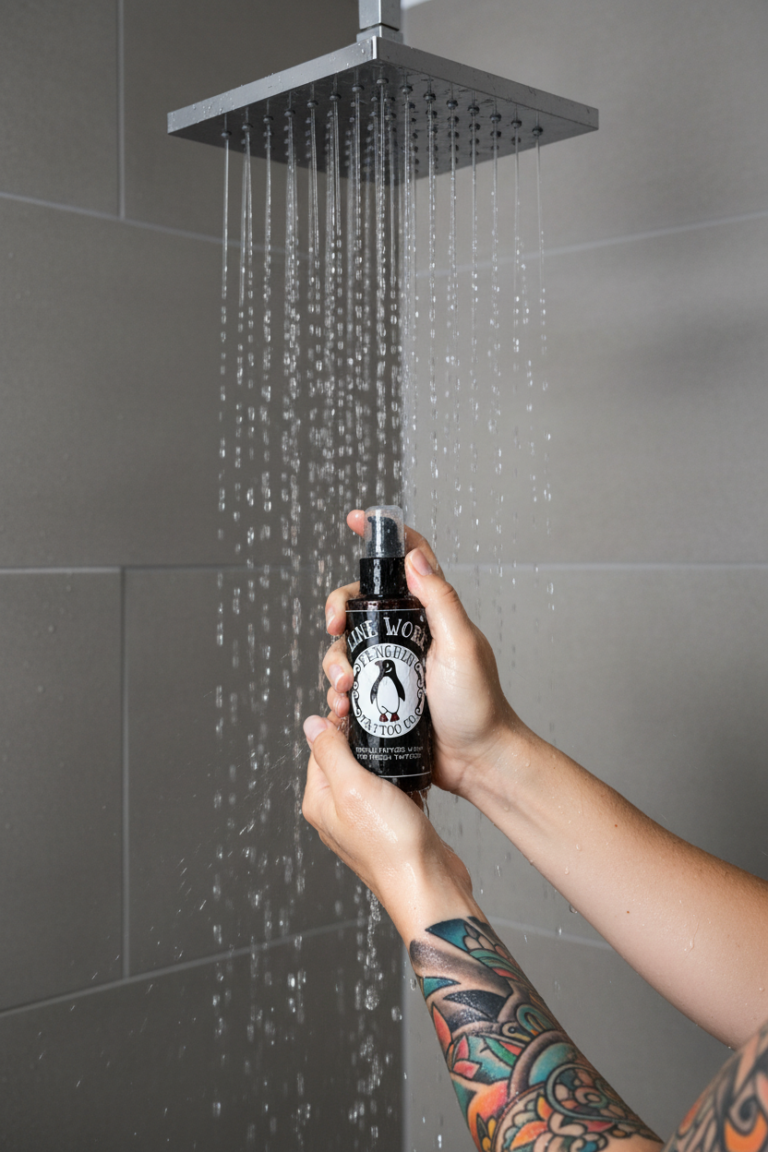
Once the initial wrap comes off (usually after a few hours, though your artist will tell you), gently wash the tattoo with lukewarm water and a mild, fragrance-free cleanser. Use your fingertips — not a cloth or sponge — and don’t scrub. Pat it dry with a clean paper towel or let it air dry, then apply a thin layer of tattoo aftercare ointment.
Do this two to three times a day. Keep it out of the sun, don’t touch it unnecessarily, and don’t pick at anything.
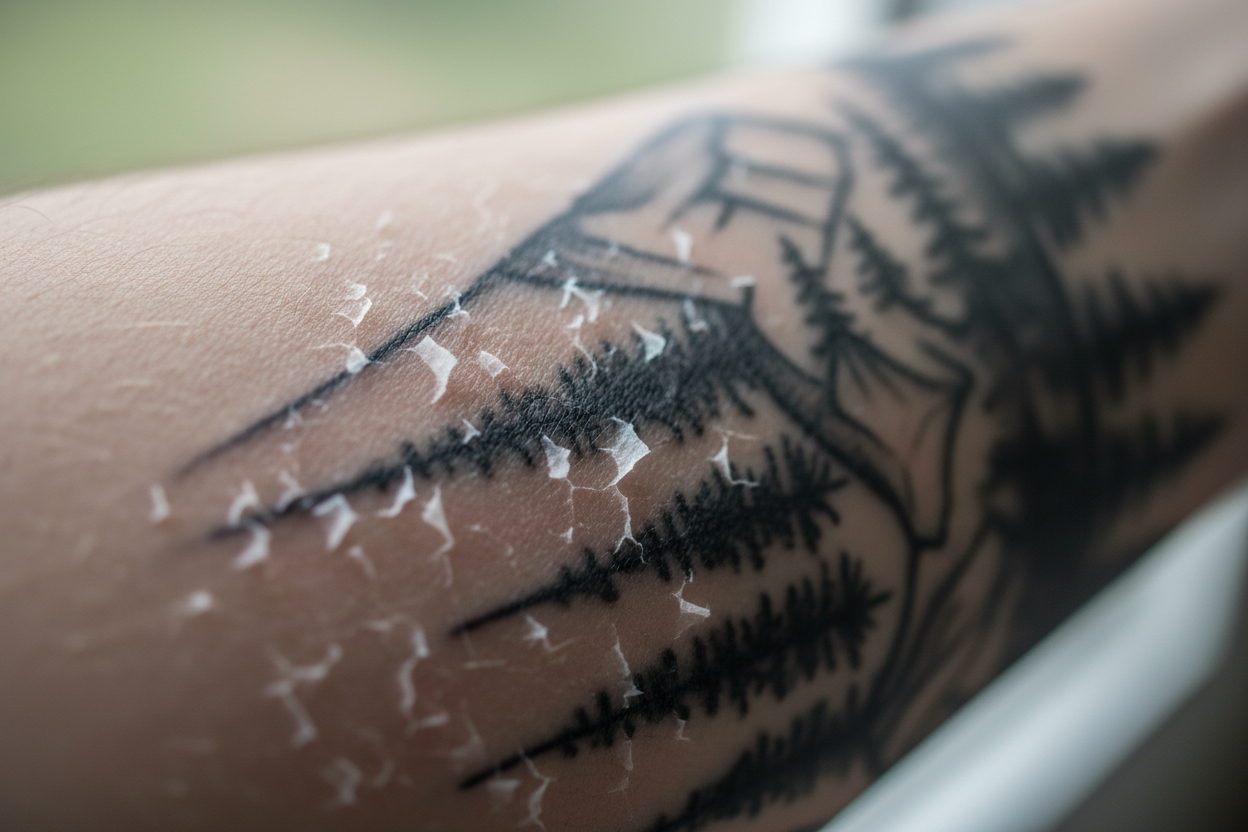
Days 4–7: The Peeling Stage
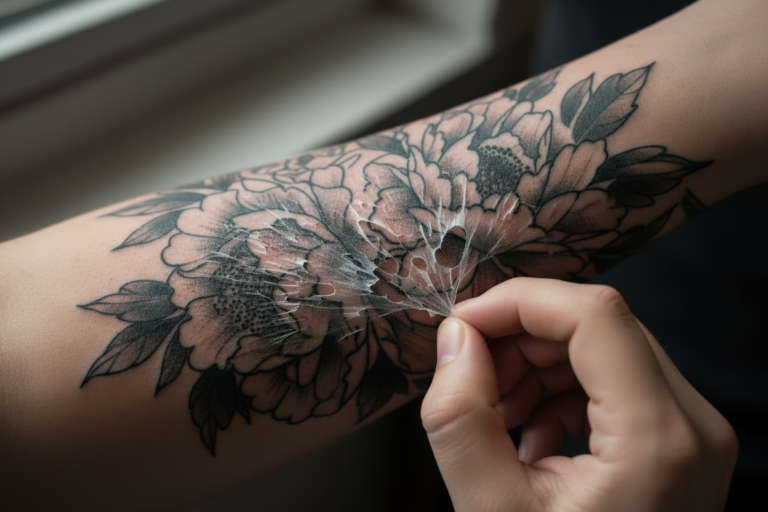
This is the stage that catches people off guard if they haven’t been warned about it. The skin will start to flake and peel — similar to mild sunburn — and it can get quite itchy.
None of this means something’s wrong. It means the outer layer of skin is shedding as the body repairs itself underneath. The tattoo isn’t fading; it’s healing.
The main rule here is simple: leave it alone. Picking or scratching at peeling skin can pull ink out of the dermis and leave patchy spots that can’t be fixed without a touch-up. Let it come off on its own.
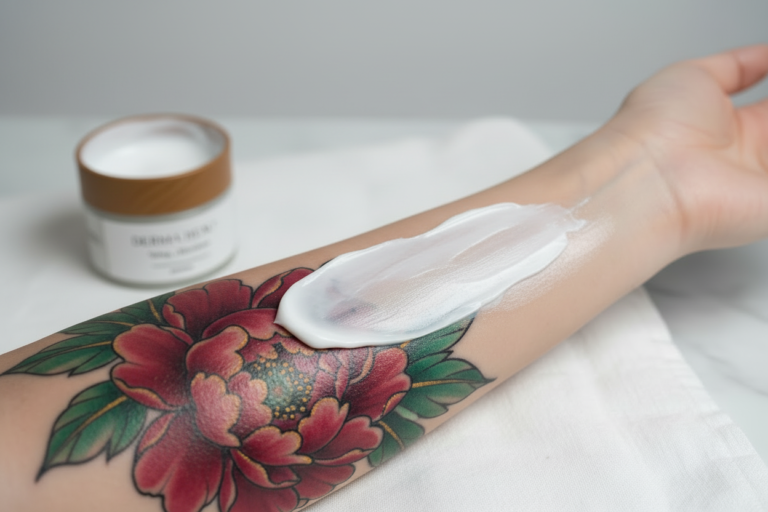
Keep moisturising gently through this stage — a thin layer of fragrance-free balm or ointment helps with the dryness and takes the edge off the itching. Keep it out of direct sunlight and out of any water deeper than a shower.
Weeks 2–3: The Regeneration Stage
By the second week, most of the visible peeling should be done. The tattoo might look a little dull, cloudy, or muted during this period — that’s the deeper layers of skin still working through the healing process, and it’s normal. The colour and clarity will come back as things settle.
Continue moisturising regularly and avoid anything that could stress the skin — heavy sun exposure, tight clothing rubbing over it, soaking in water. The tattoo might still feel slightly sensitive to touch, which is fine.
How Long Does It Actually Take?
The visible healing — peeling, redness, the obvious stuff — is usually done within three to four weeks. But the skin continues repairing at a deeper level for considerably longer. Full healing can take anywhere from three to six months, sometimes closer to a year for larger or more complex pieces.
The practical implication of this is that even after the tattoo looks healed on the surface, the skin underneath is still in recovery. That’s worth keeping in mind when it comes to sun protection and general skin care — the ink is more vulnerable than it looks for longer than most people realise.
Cleaning: The Basics Done Right
- Wash your hands before you touch the tattoo. Every time.
- Use lukewarm water — not hot.
- Apply a small amount of gentle, fragrance-free cleanser and work it over the area with your fingertips.
- Rinse thoroughly and pat dry with a clean paper towel, or air dry.
Two to three times a day for the first week or two. No scrubbing, no harsh soaps, nothing with fragrance or exfoliating ingredients. Simple and consistent is the goal.
Moisturising
Apply a thin layer of tattoo-safe balm or ointment after each clean, and whenever the tattoo feels dry or tight. The goal is lightly hydrated — not saturated. Too much product can clog pores and slow the healing process, so less really is more here.
If your skin reacts badly to a product — redness, swelling, increased irritation — stop using it and switch to something simpler. Some people’s skin is more sensitive than others, and it’s better to find that out early.
Signs It’s Healing Well
Normal healing looks like:
- Redness and mild swelling in the first few days, gradually improving
- Light flaking or peeling around days four to seven
- Occasional itching
- Slight dullness or cloudiness in weeks two and three
- Small, light scabs that fall off on their own within a couple of weeks
All of that is your skin doing what it’s supposed to do.
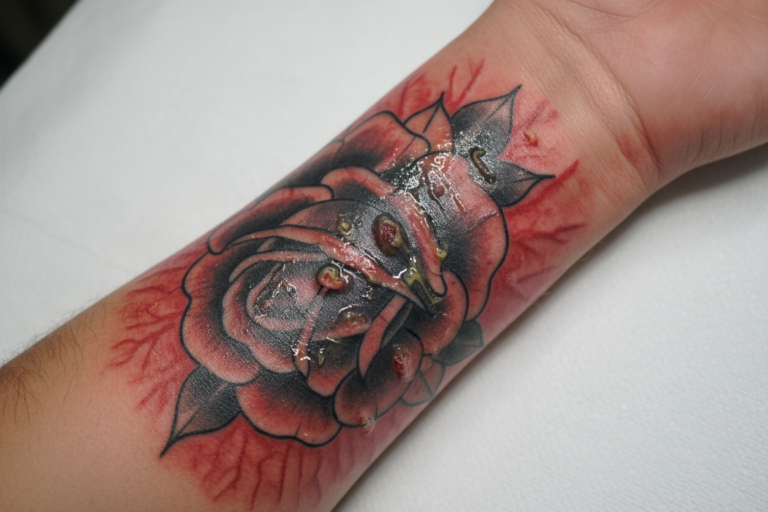
Signs Something Might Be Wrong
This is the stuff worth paying attention to. If you notice any of the following, don’t brush it off:
- Redness that’s spreading rather than improving
- Swelling that’s getting worse, not better
- Pus or unusual discharge (yellow or green)
- Warmth and tightness in the skin around the tattoo
- Pain that’s escalating rather than settling
If you’re seeing these signs, keep the area clean and apply a thin layer of antibiotic ointment. If it doesn’t improve quickly, or if it’s getting worse, see a doctor. Infections left untreated can cause scarring and long-term damage to the tattoo — it’s not worth waiting to see if it sorts itself out.
The good news is that following a basic, consistent aftercare routine significantly reduces the risk of any of this happening. Most complications come down to poor hygiene, over-moisturising, or picking at healing skin — all of which are avoidable.
The Short Version
Clean it gently, moisturise lightly, leave it alone, and keep it out of the sun. That covers the bulk of what good tattoo aftercare actually requires. The rest is just patience — the skin will do what it needs to do as long as you’re not getting in the way.
LATEST POSTS
- The Complete Tattoo Aftercare Guide: Healing Timeline, Mistakes, Myths, and Expert Tips
- 10 Tattoo Aftercare Myths That Could Ruin Your Ink
- 15 Tattoo Aftercare Mistakes That Ruin Tattoos (And How to Avoid Them)
- Is My Tattoo Healing Properly? Signs of a Healthy Healing Tattoo
- Can You Exercise After Getting a Tattoo?
looking for tattoo aftercare?
Disclaimer
The information provided on this website is for educational and informational purposes only. While we aim to provide accurate and helpful guidance about tattoo aftercare and healing, the content on this site should not be considered medical advice.
Tattoo healing can vary depending on individual skin types, health conditions, and the specific tattoo procedure. Always follow the aftercare instructions provided by your professional tattoo artist and consult a qualified medical professional if you experience signs of infection, allergic reactions, or unusual healing.
TattooAftercare.Studio and its authors are not responsible for any adverse reactions, complications, or outcomes resulting from the use of information provided on this website. By using this site, you acknowledge that you are responsible for your own tattoo care decisions.