Tattoo Aftercare Mistakes: 10 Common Mistakes That Ruin Tattoos
Introduction to Tattoo Aftercare
Proper aftercare following a tattoo is crucial for achieving the best possible results. A tattoo is not merely an artistic expression; it is also an open wound that requires care to heal correctly. The significance of aftercare cannot be overstated, as it affects both the aesthetic outcome and the longevity of the tattoo. The healing process involves several stages, during which the skin must be treated with care to prevent complications that could ruin the design.
Neglecting aftercare can lead to various issues such as fading, infection, scabbing, and peeling, all of which can compromise the integrity of the tattoo. The initial care following your tattoo session can determine whether the ink remains vibrant and the details clear or if the tattoo becomes a less appealing version of itself over time. An understanding of the healing phases and the importance of following recommended practices can significantly impact your tattoo’s appearance.
As individuals embark on their tattoo journeys, it is vital to be aware of common mistakes that can negatively affect the healing process. These tattoo aftercare mistakes range from poor hygiene practices to inappropriate products used for healing. By identifying these errors early on, individuals can better equip themselves to avoid them, ensuring a smoother healing experience and preserving the artistry of their new ink.
Mistake 1: Not Following the Artist’s Aftercare Instructions
One of the most critical aspects of ensuring the longevity and quality of a tattoo is adhering to the aftercare instructions provided by the tattoo artist. These guidelines are specifically designed to facilitate proper healing and to maintain the vibrancy of the ink. Ignoring these instructions or failing to follow them consistently can lead to a range of unfavorable outcomes. For instance, improper healing may result in excessive scabbing or fading, which will ultimately compromise the tattoo’s appearance.
Tattoo artists often recommend keeping the tattoo clean and moisturized, avoiding sun exposure, and refraining from picking at the scabs. Each artist may have their own unique set of aftercare recommendations based on the technique used and the location of the tattoo. When individuals neglect these protocols, they risk not only the cosmetic value of their tattoo but also skin infections that may arise from improper care.
To follow aftercare instructions effectively, it is essential to pay close attention to the artist’s advice during the appointment. Take notes if necessary, and ask questions to ensure full understanding. After the session, maintain a routine of proper cleaning and moisturizing, employing products recommended by the artist. This often involves using fragrance-free soaps and ointments that encourage healing without irritating the skin.
Additionally, consider setting reminders for crucial aftercare tasks, such as applying moisturizer or avoiding sun exposure. The outcome of the tattoo heavily relies on how well these instructions are followed. Ultimately, investing time and effort into aftercare is an investment in the tattoo’s enduring quality and appearance.
Mistake 2: Touching the Tattoo with Dirty Hands
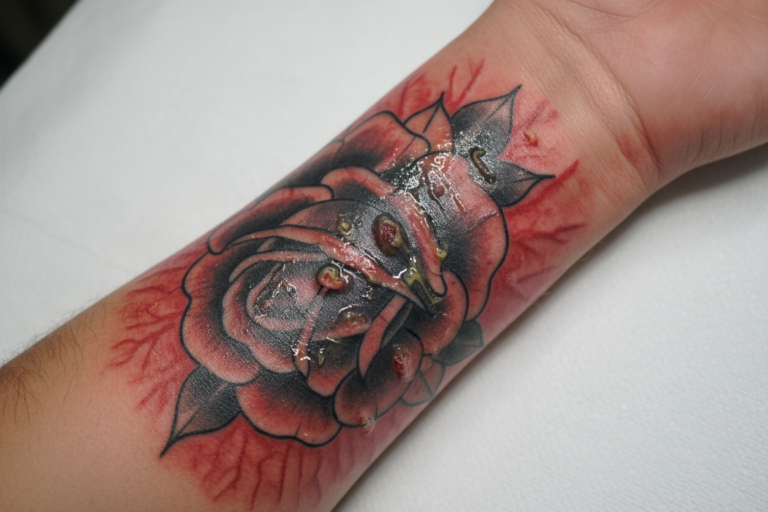
One of the most critical aftercare mistakes that can jeopardize the integrity of a new tattoo is touching it with dirty hands. During the healing process, a tattoo is essentially an open wound. If bacteria from unclean hands come into contact with the healing skin, it can introduce harmful pathogens that may result in infections. These infections can manifest as increased redness, swelling, discomfort, or even pus, ultimately ruining the appearance of the tattoo and necessitating medical intervention.
To prevent such complications, it is vital to prioritize hand hygiene during the entire healing phase of the tattoo. This can be achieved by washing your hands thoroughly with soap and water before any interaction with the tattoo. Antibacterial solutions, such as hand sanitizers, can also be effective but should only complement good traditional hygiene practices, not replace them.
Additionally, it is valuable to be mindful of the surfaces you touch, such as doorknobs, phones, or other items that may harbor bacteria. If you find yourself needing to touch your tattoo for any reason, always ensure that your hands have been freshly washed to mitigate the risk of contamination.
Moreover, wearing clean clothing and avoiding touching your tattoo with items that may not be hygienic, such as public restroom surfaces, can further safeguard against infections. In conclusion, maintaining clean hands is a simple yet effective way to ensure your tattoo heals properly, ensuring its vibrant and lasting appearance.
Over-Washing the Tattoo
One common misconception regarding tattoo aftercare is the belief that more washing equals better healing. While it is essential to keep a new tattoo clean, over-washing can have detrimental effects. The skin in the area of the tattoo is particularly sensitive and can become irritated when subjected to excessive cleansing. This irritation not only makes the healing process uncomfortable but can also lead to complications such as inflammation and potential scarring.
The primary reason behind this is that over-washing can strip the skin of its essential moisture. Newly tattooed skin requires adequate hydration to heal properly. When the skin is repeatedly washed, it can dry out, resulting in a compromised healing environment. This might manifest as excessive flaking, itchiness, or even bleeding in some cases, causing a disruption in the healing timeline.
To maintain optimal skin health during the healing process, it is recommended to wash a tattoo only twice a day. Use lukewarm water and a mild, fragrance-free soap designed for sensitive skin. Gently cleanse the area with your fingertips rather than a cloth or sponge to avoid unnecessary abrasion. After washing, it is crucial to pat the tattoo dry with a clean, soft towel rather than rubbing, which can further irritate the area.
Following this routine helps to balance the skin’s moisture levels while ensuring that the tattoo remains clean. Additionally, immediately after washing, apply a thin layer of a tattoo-friendly aftercare ointment or lotion to keep the skin hydrated. By adhering to this guideline, individuals can foster an environment conducive to healthy healing while avoiding the adverse effects associated with over-washing.
Mistake 4: Not Washing the Tattoo Enough
One of the most critical elements in the tattoo aftercare process involves proper washing. A frequent misconception among new tattoo owners is that they should limit the washing of their tattoo to prevent irritation. However, insufficient washing can lead to serious problems such as bacterial infections, excessive scabbing, and poor healing.
During the healing period, tattoos are vulnerable to external contaminants and natural body oils. Not washing the tattoo regularly can create an environment conducive to bacteria proliferation, which may result in adverse health effects. The accumulation of grime, sweat, and other pollutants can also hinder the tattoo’s healing process, impacting the ink intensity and overall appearance.
To achieve a balanced aftercare routine, it is advisable to wash the tattoo gently at least twice a day. Use lukewarm water combined with an unscented, antibacterial soap. It is vital to apply the soap using clean hands, ensuring that any debris is carefully cleansed away without scrubbing too hard. After washing, pat the tattoo dry with a clean towel rather than rubbing it, as friction can disrupt the healing skin.
Remember, washing should be done carefully to avoid overdoing it; excessive washing can lead to the tattoo becoming too dry or irritated. Finding the right frequency is essential—washing twice a day typically suffices for maintaining cleanliness and promoting healing while minimizing the risk of infection. If irritation or unusual symptoms occur, consulting a tattoo artist or a medical professional is advisable for personalized advice. Keeping a consistent washing routine, while avoiding excessive efforts, is key to ensuring that the tattoo heals beautifully.
Mistake 5: Picking or Scratching Peeling Skin
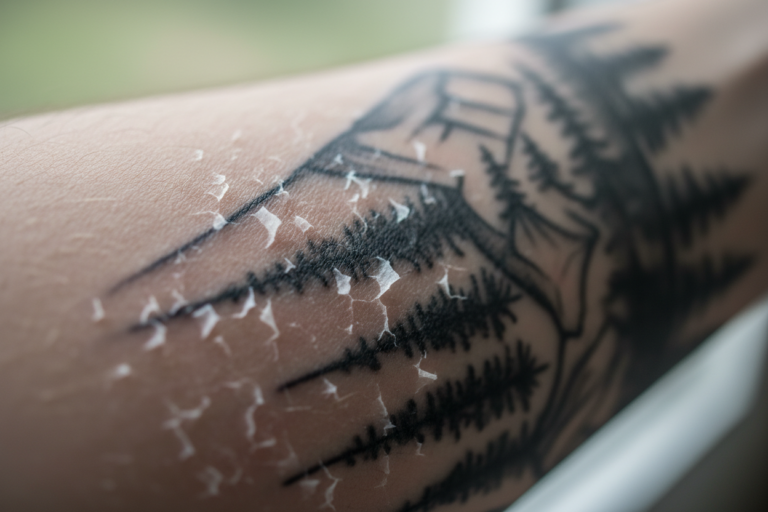
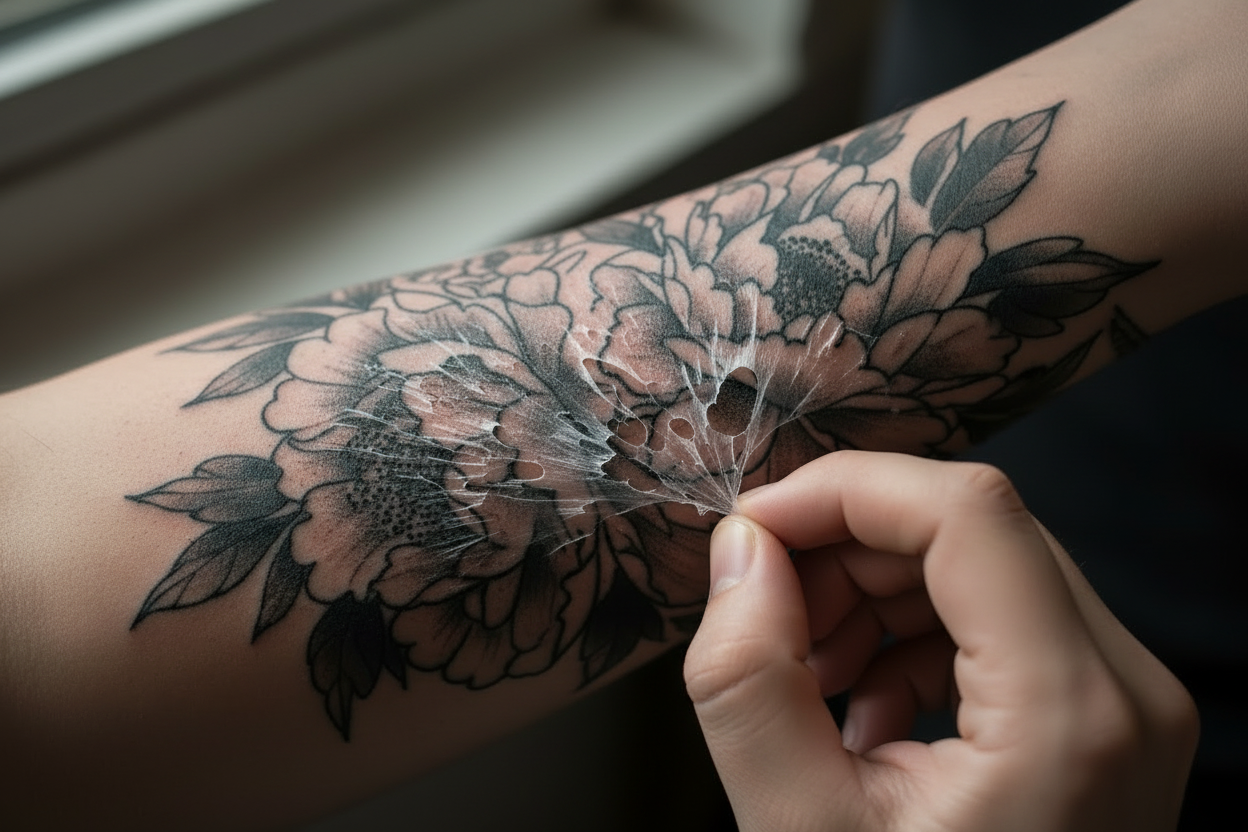
After getting a tattoo, proper aftercare is crucial for ensuring the longevity and vibrancy of the design. One of the most common yet detrimental mistakes individuals make is picking or scratching at peeling skin. This behavior can significantly affect the healing process and ultimately ruin the tattoo. When a tattoo begins to heal, it undergoes a natural process of peeling and flaking skin. This phenomenon is part of the body’s healing mechanism, where the outer layer of skin sheds to make way for new skin beneath. Picking at this peeling skin can result in several negative outcomes.
Firstly, when individuals engage in picking or scratching, they risk damaging the ink that has been deposited in the dermis layer of the skin. This can lead to uneven color or, in severe cases, a complete distortion of the original design. Additionally, the act of scratching can introduce bacteria, increasing the likelihood of infection, which can further complicate the healing process. For those who desire vibrant and well-defined tattoos, it is essential to allow the skin to heal naturally without interference.
To help resist the urge to pick or scratch, individuals can adopt several strategies. Keeping the tattoo moisturized can alleviate itching, as dry skin often leads to scratching. Applying a fragrance-free tattoo aftercare ointment can promote healing while also soothing inflamed areas. Additionally, wearing loose clothing over the tattooed area can reduce friction that might provoke the desire to scratch. Engaging in distraction techniques, such as hobbies or activities that keep the hands busy, can also be effective. Ultimately, respecting the tattoo’s healing process is critical for preserving its beauty and integrity, making it imperative to resist the temptation to pick or scratch during the initial healing period.
Mistake 6: Over-Moisturising the Tattoo
When it comes to tattoo aftercare, striking a balance in moisture is crucial. Over-moisturising a tattoo can lead to several complications that not only hinder the healing process but may also negatively impact the final appearance of the artwork. Excessive use of moisturizers can create a barrier over the skin that suffocates the healing tissue. This can cause the tattoo to become overly moist, leading to issues such as scabbing and prolonged healing times.
One of the primary concerns associated with over-moisturising is the development of scabs. These can form when the skin is overwhelmed with moisture and cannot breathe properly. In such cases, rather than aiding the healing process, the moisturizers can introduce unnecessary complications, resulting in an uneven, unhealthy-looking tattoo. Additionally, saturated skin is more prone to infection, which can further compromise the integrity of the tattoo and prolong recovery.
To establish a suitable moisturising routine, it is recommended to use a light touch when applying products. Initially, after getting inked, a thin, even layer of a recommended healing ointment or fragrance-free moisturizer can be applied. This should be done two to three times a day, but it is vital to observe the tattoo’s condition. If you notice excessive moisture or if the skin appears continually shiny, it may indicate that you are using too much product.
Avoiding heavy lotions or creams during the healing phase can be beneficial, as they can contribute to a suffocating effect on the tattoo. Opt for products that are specifically designed for tattoo aftercare, as they tend to have an optimal balance of hydration without overwhelming the skin. Monitoring the condition of your tattoo and adjusting the moisturising regimen accordingly can lead to a more effective healing process, ensuring the lasting vibrancy of the tattoo.
Mistake 7: Exposing a Healing Tattoo to Sunlight
Exposing a healing tattoo to sunlight can pose serious risks that may compromise the quality and longevity of the ink. During the healing process, the skin becomes particularly sensitive, leaving the tattoo at risk for fading and damage if it is not adequately protected. Ultraviolet (UV) rays from the sun can lead to discoloration and can even cause the tattoo to lose its vibrancy over time, adversely affecting its overall appearance.
Furthermore, UV exposure not only impacts the tattoo but also the surrounding skin, potentially resulting in sunburn and irritation. This is particularly harmful as the skin barrier is already fragile following the ink application process. Sunburned skin can lead to complications, including prolonged healing times and an increased risk of infection. Therefore, it is essential to make sun protection a crucial part of your tattoo aftercare routine.
To shield a healing tattoo during sunny weather, consider wearing loose-fitting clothing that can cover the tattooed area. If covering the tattoo is not feasible, applying a broad-spectrum sunscreen with a high SPF rating is essential. Choose a sunscreen specifically formulated for sensitive skin to minimize irritation. Reapply sunscreen every two hours, more frequently if swimming or sweating, to ensure consistent protection from harmful rays.
In addition, seek shade whenever possible and limit sun exposure, especially during peak sun hours from 10 a.m. to 4 p.m. Being proactive about sun exposure not only aids in proper healing but also preserves the integrity of your tattoo, maintaining its aesthetics for years to come.
Mistake 8: Swimming or Soaking the Tattoo Too Early
Exposing a fresh tattoo to water too soon can significantly impact its appearance and healing process. Newly inked skin is particularly vulnerable, and immersion in pools, oceans, or hot tubs can introduce harmful bacteria, leading to infections. Not only does this pose a risk to your skin, but it can also result in the tattoo fading or becoming distorted as it heals.
Typically, tattoo artists recommend avoiding submersion in water for at least two to three weeks post-inking. This time frame allows the outer skin layer to heal adequately while safeguarding the vibrant colors and lines of the tattoo. It is crucial to heed your tattoo artist’s specific advice, as different inks or techniques may necessitate different care approaches.
In the days immediately following your tattoo application, you may feel tempted by the summer heat or desire to cool off. In such cases, you can choose alternatives that avoid direct water exposure. Taking cool showers for a limited time can be a suitable option, as long as the tattoo is not directly under the water stream. Use gentle soap and pat the area dry with a clean, soft towel afterwards.
For those who yearn for an outdoor experience, consider enjoying the shade or utilizing a fan to stay cool without compromising your tattoo’s integrity. Employing breathable clothing and keeping your skin moisturized will also contribute to a comfortable healing process, allowing you to navigate the summer heat while your tattoo recovers. Remaining diligent about avoiding water submersion will protect your tattoo from potential complications and ensure it heals beautifully.
Mistake 9: Wearing Tight Clothing Over the Tattoo
One significant mistake that individuals often make during the tattoo healing process is opting for tight clothing that directly overlays the new ink. This choice can lead to various complications, including irritation, discomfort, and even premature fading of the tattoo. When the skin is healing, it goes through several stages, and tight clothing may hinder this natural process by constricting the area, which can inhibit the flow of blood and nutrients necessary for recovery.
Wearing tight garments can cause excessive friction, leading to redness and irritation around the tattooed area. The constant rubbing of fabric against the healing skin can disrupt the scabbing process, making your tattoo more susceptible to infections and affecting its overall appearance. Furthermore, garments that are too tight may trap moisture and heat, providing an ideal environment for bacteria to flourish, which could complicate healing.
To promote an optimal healing environment for your tattoo, it is advisable to choose loose-fitting clothing made from soft and breathable fabrics. Fabrics such as cotton can prevent irritation and allow the tattoo to breathe, which is crucial during the healing period. Additionally, this kind of clothing choice helps minimize discomfort caused by movement and interaction with surrounding fabrics. Ensuring that your clothing doesn’t stick to the tattoo also aids in the formation of scabs and healing of the skin beneath.
In conclusion, being mindful of your clothing choices during the healing period of your tattoo cannot be overstated. Prioritizing loose-fitting attire will not only enhance comfort but will also play a significant role in ensuring that your tattoo heals correctly and maintains its vibrancy for years to come.
Mistake 10: Using the Wrong Skincare Products
Proper tattoo aftercare is crucial for maintaining the vibrancy and integrity of your new ink. One of the most significant errors individuals make after getting a tattoo is selecting inappropriate skincare products. Using the wrong products can lead to undesirable reactions, affecting the healing process and ultimately the appearance of the tattoo.
First and foremost, it is essential to avoid products that contain alcohol, fragrance, or harsh chemicals. These ingredients can irritate the delicate skin and strip moisture, which is contrary to what is needed during the healing phase. For instance, popular cleansers or moisturizers might boast strong cleansing capabilities but can disrupt the natural healing process necessary for a tattoo to properly set. Instead, look for fragrance-free and alcohol-free options specifically designed for sensitive skin.
Furthermore, opting for heavy lotions or creams, especially those formulated for dry skin, could obstruct the pores and hinder the healing. A lightweight, breathable ointment or moisture is preferable, marketed as tattoo aftercare or for sensitive skin. Products that contain natural ingredients such as aloe vera, shea butter, or coconut oil are often beneficial as they provide moisture without clogging the pores.
To choose suitable products for tattoo aftercare, always consult your tattoo artist for recommendations based on the products they trust. The artist can provide insight tailored to your skin type and the specifics of your tattoo. Additionally, you can read reviews and seek out products with a good reputation among the tattoo community to ensure compatibility.
Ultimately, paying close attention to your skincare choices post-tattoo will significantly influence both the healing process and the lasting quality of your tattoo. Make informed decisions about your skincare products to avoid errors that could compromise your body art.
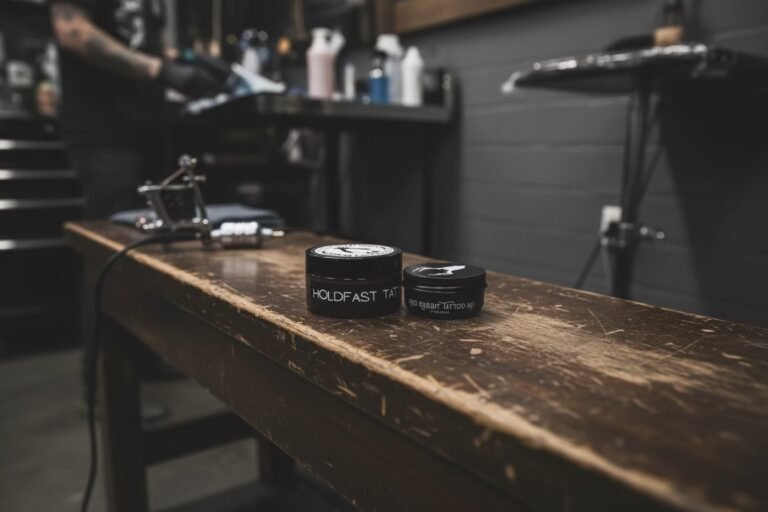
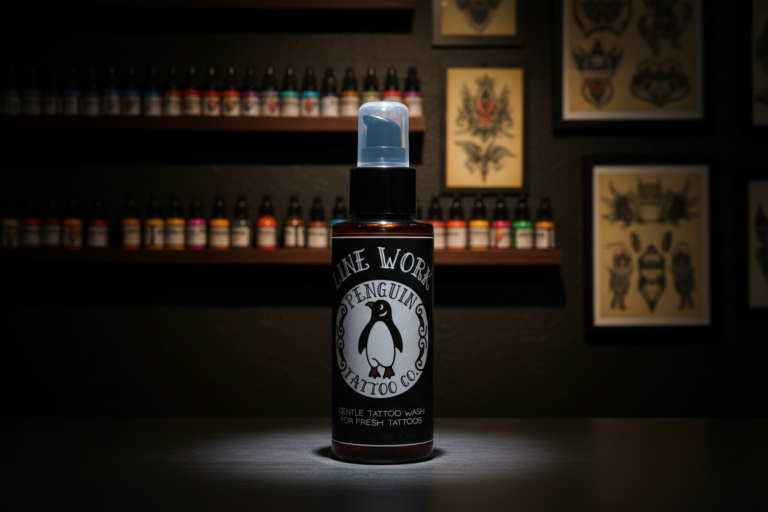
We recommend using Penguin Tattoo Co Aftercare
Conclusion: Protecting Your Artwork with Proper Tattoo Care
In the journey of tattoo appreciation, one cannot overlook the significance of proper tattoo aftercare. As temporary markers of personal expression, tattoos require meticulous care to ensure their integrity and vibrancy. By understanding and avoiding common tattoo aftercare mistakes, individuals can maintain not only the visual appeal but also the emotional connection tied to their body art.
Engaging in diligent aftercare practices allows your tattoo to heal correctly, preventing issues such as fading, infection, or scarring. The time and effort invested in following aftercare instructions can profoundly impact the longevity of your tattoo, preserving the vibrant colors and intricate designs for years to come. Opting for suitable products, keeping the tattoo clean, and protecting it from sun exposure are just a few ways to safeguard your investment.
Moreover, staying informed about the healing process and acknowledging the natural changes your tattoo may undergo will empower you as a tattoo bearer. It is essential to embrace the responsibility that comes with tattoo ownership. Adopting a cautious approach, while being attentive to your body’s healing signals, will only enhance your overall tattoo experience.
The beauty of a tattoo lies not just in its artistry, but in the story it narrates over time. By committing to thorough aftercare, you ensure that this story remains as captivating as the day it was inked. Thus, nurture your artwork and approach tattoo care with the seriousness it deserves, transforming it into a lasting symbol of your individuality.
Unsure what to read next? Try The Complete Tattoo Aftercare Guide
latest posts
- The Complete Tattoo Aftercare Guide: Healing Timeline, Mistakes, Myths, and Expert Tips
- 10 Tattoo Aftercare Myths That Could Ruin Your Ink
- 15 Tattoo Aftercare Mistakes That Ruin Tattoos (And How to Avoid Them)
- Is My Tattoo Healing Properly? Signs of a Healthy Healing Tattoo
- Can You Exercise After Getting a Tattoo?
looking for tattoo aftercare?
Disclaimer
The information provided on this website is for educational and informational purposes only. While we aim to provide accurate and helpful guidance about tattoo aftercare and healing, the content on this site should not be considered medical advice.
Tattoo healing can vary depending on individual skin types, health conditions, and the specific tattoo procedure. Always follow the aftercare instructions provided by your professional tattoo artist and consult a qualified medical professional if you experience signs of infection, allergic reactions, or unusual healing.
TattooAftercare.Studio and its authors are not responsible for any adverse reactions, complications, or outcomes resulting from the use of information provided on this website. By using this site, you acknowledge that you are responsible for your own tattoo care decisions.