The Ultimate Guide to Tattoo Balm: When and How to Use It
What is Tattoo Balm?
Tattoo balm is a specialised skincare product specifically formulated to assist in the healing and protection of newly inked tattoos. Unlike regular moisturisers, tattoo balms are crafted with unique ingredients that target the particular needs of healing skin. These balms typically include natural oils, butters, and botanical extracts designed to nourish the skin while promoting the regeneration of tissues. Common ingredients found in tattoo balms are shea butter, coconut oil, beeswax, and calendula, each playing a crucial role in delivering moisture, forming a protective barrier, and facilitating the healing process.
The primary purpose of tattoo balm is to alleviate discomfort associated with the healing of a tattoo and to minimize the risk of potential scabbing or fading. The rich emollients in these balms penetrate deeply into the skin, providing hydration and essential nutrients that support the body’s natural healing processes. Furthermore, many tattoo balms are infused with antibacterial properties which help to prevent infections, a common concern during the tattoo healing phase.
It is important to differentiate between tattoo balms and standard moisturizers. While regular moisturizers can hydrate the skin, they may not provide the targeted protection and healing support that tattoo balms offer. The formulations of tattoo balms are specifically designed with the needs of sensitive and healing skin in mind, ensuring that tattoo aftercare is as effective as possible. Using the right product not only aids in the healing process but also helps preserve the vibrancy and longevity of the tattoo.
When is the Best Time to Apply Tattoo Balm?
Applying tattoo balm is a critical part of the tattoo aftercare process, which plays a significant role in ensuring optimal healing and preservation of the artwork. The timing of application can greatly affect the appearance and health of the tattoo. Knowing when to apply tattoo balm is essential for both immediate care and long-term maintenance.
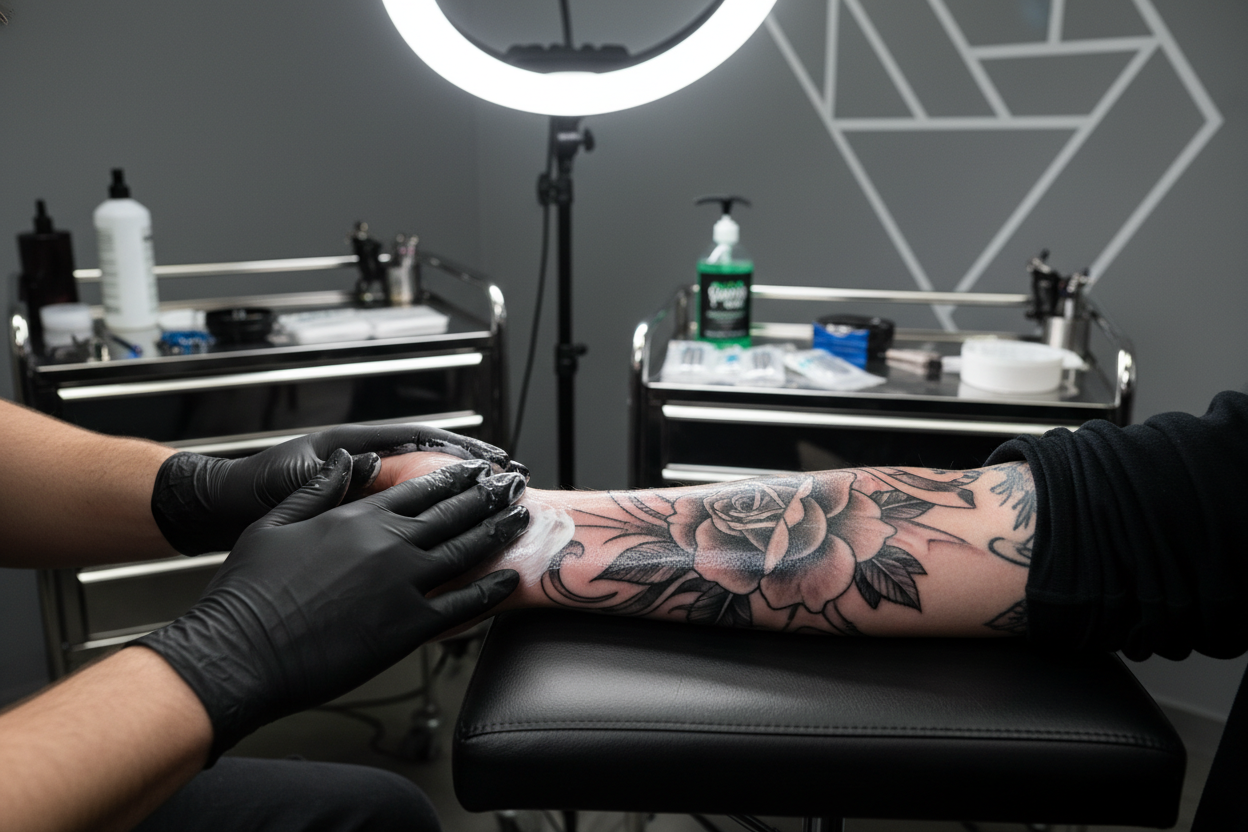
Immediately after getting a tattoo, the skin is particularly vulnerable. It is advisable to apply a thin layer of tattoo balm as soon as the tattoo artist gives the green light. This initial application helps to soothe the skin, reduce inflammation, and provide a protective barrier against external irritants. Choosing a high-quality tattoo balm can enhance its effectiveness during this crucial phase.
During the initial healing phase, which typically spans the first two weeks post-tattoo, consistent application of tattoo balm is essential. This timeframe is when the skin is healing from the trauma of the needle, and keeping it moisturized can prevent excessive scabbing and promote smooth healing. Applying tattoo balm 2-3 times a day, or as recommended by a tattoo artist, can significantly aid in this process.
As the tattoo begins to heal, it’s equally important to continue using tattoo balm throughout the long-term care of the tattoo. Once the initial healing period is over, applying balm a few times a week can keep the skin hydrated and help preserve the vibrancy of the tattoo. It is advisable to follow any specific recommendations from your tattoo artist or dermatologist regarding the duration and frequency of balm application to achieve the best results.
How Much Tattoo Balm Should You Apply?
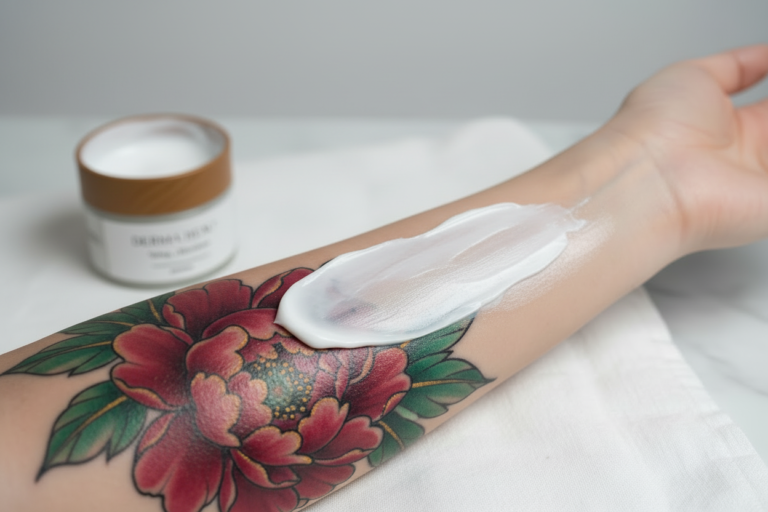
The application of tattoo balm plays a significant role in the healing process of a new tattoo. Knowing how much tattoo balm to apply is crucial for maintaining skin health and ensuring that the ink heals properly. Initially, after receiving a tattoo, the skin can be quite sensitive, and excess application of balm can lead to more harm than good. It is generally recommended to start with a small, pea-sized amount of tattoo balm, applying it gently over the area.
This initial application should be followed up every few hours, especially during the first few days of the healing process when the skin is most in need of moisture. During this period, it is essential to use just enough balm to form a thin, protective layer over the tattoo. Avoid applying a thick layer as this can trap moisture, potentially leading to irritation or increased risk of infection. As the healing progresses, you may find that applying tattoo balm less frequently is sufficient. Typically, the frequency can be reduced to twice daily as the skin begins to heal and scabs start to form.
It is also essential to allow the skin to breathe. If you notice excessive shine or the tattoo appears overly greasy, it may be a sign that you are using too much balm. Listen to your skin’s response; if you experience redness, excessive itching, or discomfort, this may warrant an adjustment in the amount of balm applied. Remember, while tattoo aftercare is crucial, balance is key. Every tattoo and individual skin type is different, so these guidelines can vary. Always consult your tattoo artist or skincare professional for personalized advice to ensure optimal tattoo care.
Tips for Choosing the Right Tattoo Balm
When it comes to choosing tattoo balm for effective tattoo aftercare, several key factors should be taken into consideration. The ideal tattoo balm not only aids in the healing of your new ink but also nourishes and protects the skin. One of the most significant aspects to look for is the ingredient list. It is advisable to avoid tattoo balms that contain artificial fragrances, preservatives, or alcohol, as these can irritate sensitive skin and impede the healing process.
On the other hand, opt for tattoo balms that include natural ingredients such as shea butter, coconut oil, or beeswax. These ingredients are known for their moisturizing properties and can help soothe the skin. Additionally, look for products that feature vitamins A and E, which are beneficial for skin regeneration and nourishment. If you have sensitive skin, it is crucial to choose hypoallergenic tattoo balms specifically formulated to minimize the risk of allergic reactions.
There are numerous brands that are well-regarded in the tattoo community for their quality tattoo aftercare products. Brands such as Aquaphor and Hustle Butter are often recommended for their effectiveness in healing and moisturizing tattoos. Before making your selection, it can be beneficial to check reviews and ratings to gain insights from other users regarding their experiences.
Moreover, it is wise to consult with your tattoo artist or a skincare professional when selecting the right tattoo balm. These experts can provide personalised recommendations based on your skin type and the specific care needed for your new tattoo. A well-chosen tattoo balm can significantly contribute to the tattoo’s longevity and vibrancy, ensuring that it heals beautifully and remains in optimal condition.
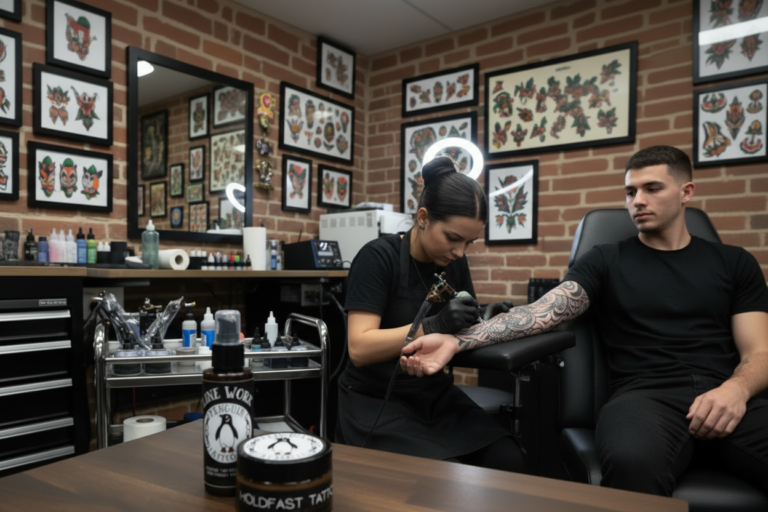
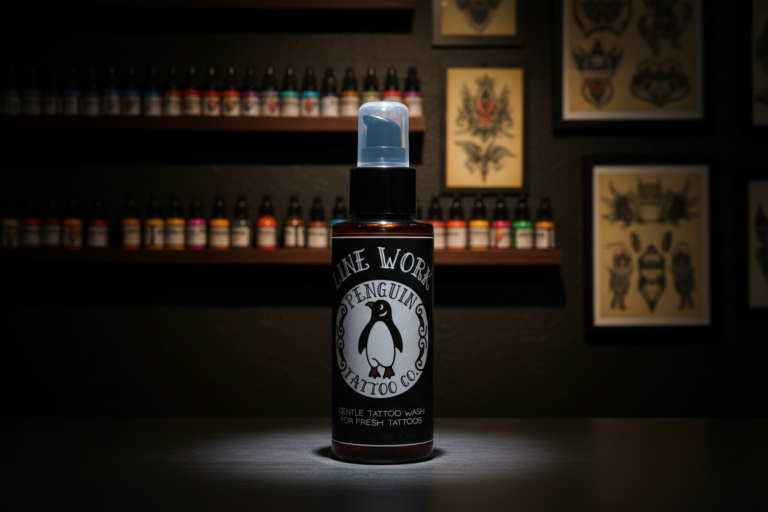
Our recommendation is Holdfast Tattoo Balm by Penguin Tattoo Co.
Latest Posts
- The Complete Tattoo Aftercare Guide: Healing Timeline, Mistakes, Myths, and Expert Tips
- 10 Tattoo Aftercare Myths That Could Ruin Your Ink
- 15 Tattoo Aftercare Mistakes That Ruin Tattoos (And How to Avoid Them)
- Is My Tattoo Healing Properly? Signs of a Healthy Healing Tattoo
- Can You Exercise After Getting a Tattoo?
Unsure what to read next? Try Tattoo Aftercare 101
looking for tattoo aftercare?
Disclaimer
The information provided on this website is for educational and informational purposes only. While we aim to provide accurate and helpful guidance about tattoo aftercare and healing, the content on this site should not be considered medical advice.
Tattoo healing can vary depending on individual skin types, health conditions, and the specific tattoo procedure. Always follow the aftercare instructions provided by your professional tattoo artist and consult a qualified medical professional if you experience signs of infection, allergic reactions, or unusual healing.
TattooAftercare.Studio and its authors are not responsible for any adverse reactions, complications, or outcomes resulting from the use of information provided on this website. By using this site, you acknowledge that you are responsible for your own tattoo care decisions.